Views: 0 Author: Site Editor Publish Time: 2026-11-18 Origin: Site
When circuit breaker contacts separate under load, the resulting electrical arc generates plasma with temperatures capable of vaporizing metal. The reliable interruption of an electrical arc depends on the coordinated performance of the arc chute, contact system, and overall breaker design. Specifying or designing circuit breakers requires balancing thermal dissipation, dielectric recovery, and spatial constraints. An unsuitable configuration can compromise arc interruption performance, accelerate contact erosion, shorten breaker service life, or prevent the breaker from meeting its required safety and performance standards. Evaluating the specific mechanisms, limitations, and applications of the two primary arc chute materials—steel splitter plates and advanced insulation materials—provides a framework for making evidence-based procurement and engineering decisions.
Functional Distinction: Steel plates (de-ion grids) primarily function by magnetically drawing, splitting, and cooling the arc, while insulating materials confine the plasma and prevent phase-to-phase faults.
Safety & Lifespan Extension: A properly specified arc chute protects the main contacts from severe erosion, directly extending the operational life of the circuit breaker and enhancing overall electrical safety.
Application Scaling: High-current applications heavily rely on the thermal mass of steel plates, whereas specialized high-voltage, explosion-proof, or compact environments prioritize high-dielectric solid insulation.
Design Reality: Rather than a strict either/or scenario, optimal arc chute design often requires a calculated hybrid approach, balancing conductive cooling with dielectric isolation.
Compliance Impact: Material selection directly influences a breaker’s ability to pass stringent short-circuit testing under IEC 60947-2 and UL 489 standards.
Table of Contents
Effective arc interruption dictates the survival of the circuit breaker. The process unfolds in three distinct phases:
Arc initiation: Contacts part, and field emission pulls electrons across the microscopic gap, ionizing the surrounding air.
Arc elongation and cooling: The breaker forces the plasma away from the contacts and drives it deep into the quenching chamber.
Dielectric recovery: The system restores insulation strength at current zero to prevent a restrike across the open gap.
Every component inside the breaker must support these three phases flawlessly. Failure at any stage results in sustained arcing and equipment destruction.
The operational environment inside an arc chute is intensely hostile. Thermal and dielectric stresses peak simultaneously. Rapid pressure spikes occur as the surrounding air superheats and expands. Plasma temperatures routinely exceed 10,000°C. This heat melts standard metals instantly. The materials surrounding the arc must withstand this thermal shock. Simultaneously, they must facilitate immediate dielectric strength restoration. When the alternating current crosses zero, the arc momentarily extinguishes. The surrounding materials must cool the gap fast enough to stop the arc from reigniting.
Rapid arc quenching directly minimizes contact wear. Prolonged plasma exposure degrades silver-tungsten or copper contacts. It causes pitting, material transfer, and eventual contact welding. A highly efficient quenching system pulls the arc off the contacts rapidly. It transfers the arc roots to sacrificial runners. This action limits the duration of extreme heat on the primary conductive surfaces. Less heat means less erosion. This mechanism prevents premature wear and ensures the breaker handles its rated number of mechanical and electrical cycles.
Physical material properties dictate the clearing time. Thermal conductivity determines how fast heat leaves the plasma. Melting points dictate structural survival under short-circuit faults. Outgassing characteristics actively cool the arc path. Dielectric strength prevents the voltage from punching through the barriers. Engineers evaluate these properties rigorously. The right combination reduces clearing times to mere milliseconds. This rapid action protects downstream equipment and extends the overall lifespan of the electrical distribution system.
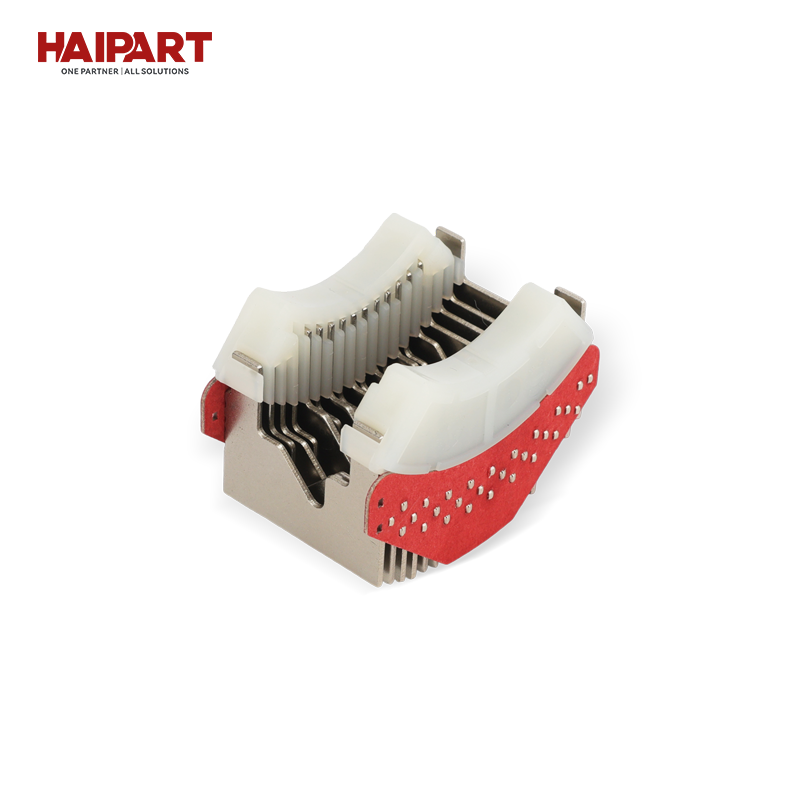
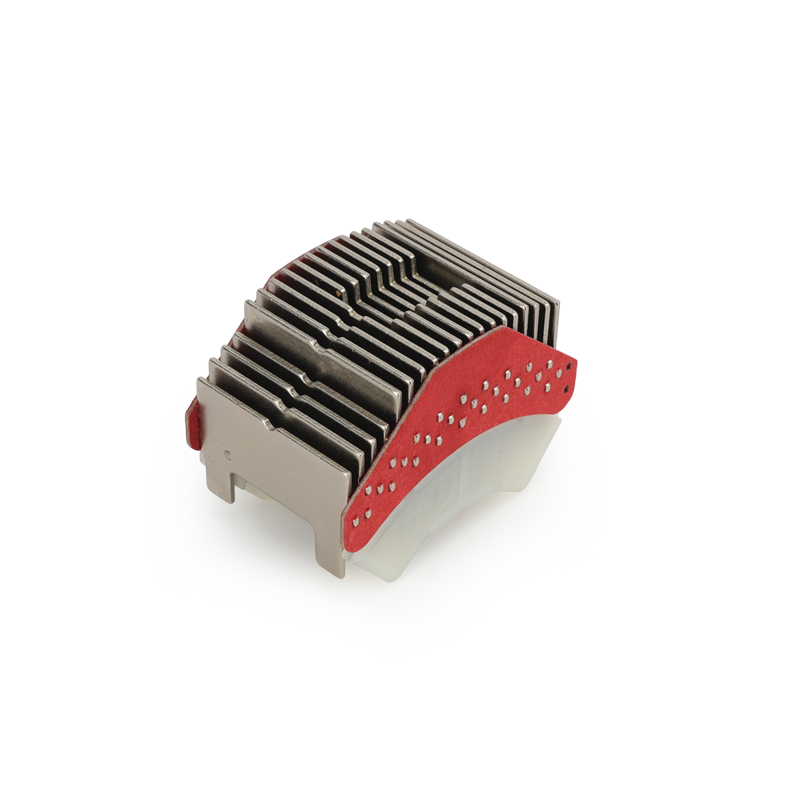
Ferromagnetic steel plates form the core of most de-ion grids. Their mechanism of action relies on magnetic induction. As the arc current flows, it generates a magnetic field. The steel plates provide a low-reluctance path for this field. This magnetic attraction pulls the arc deep into the grid. The V-shaped notches on the plates help center and draw the plasma. Once inside, the single high-voltage arc hits the plates. It splits into multiple lower-voltage series arcs. This splitting drastically increases the total arc voltage. When the arc voltage exceeds the system voltage, the arc extinguishes.
Thermal mass gives steel a distinct advantage. The physics of conductive cooling apply directly here. Steel extracts heat rapidly from the plasma. This sudden temperature drop reduces the ionization of the gas. Lower ionization means higher electrical resistance. The arc struggles to maintain its path. The sheer mass of the steel plates absorbs the thermal energy without reaching its own melting point during a standard fault. This conductive cooling interrupts high fault currents safely.
Material specifications play an important role in steel de-ion grid performance. Manufacturers select steel grades based on magnetic properties, thermal resistance, mechanical strength, and the intended short-circuit interruption requirements. Surface treatments or protective coatings may also be used to improve corrosion resistance and maintain consistent component performance. The choice of coating, such as nickel, zinc, or copper-based treatments, depends on the manufacturer's design specifications and application requirements. Plate thickness and spacing must also be carefully controlled to support effective arc splitting, cooling, and gas flow.
Plating Material | Conductivity Impact | Corrosion Resistance | Typical Application |
|---|---|---|---|
Copper Flashing | High | Moderate | Standard industrial breakers, MCBs |
Zinc Plating | Moderate | High | High-humidity environments, outdoor switchgear |
Nickel Plating | Moderate-High | Very High | Specialized marine or corrosive environments |
Steel grids carry inherent implementation risks. Under sustained fault currents, the thermal limits of steel face severe tests. The edges of the plates take the most intense heat. Edge erosion is common after clearing severe short circuits. In extreme cases, the steel melts. Melting releases conductive metallic vapor into the chamber. This vapor coats the surrounding surfaces. It severely compromises the dielectric recovery of the breaker. If the vapor bridges the gap between phases, a catastrophic phase-to-phase fault occurs. Proper sizing and venting mitigate these risks.
Insulating materials perform a completely different role. Insulating baffles and housings physically confine the arc. They dictate the path the plasma must take. They prevent the arc from jumping to adjacent phases or grounded metal enclosures. These materials form the structural boundaries of the quenching chamber. They guide the expanding gases and plasma directly into the cooling zones. Without robust insulation, the arc expands chaotically, causing widespread internal damage.
Several common insulating materials dominate the industry. Ceramics, such as Steatite and Cordierite, offer exceptional thermal shock resistance. They generally offer good thermal stability and low outgassing, depending on the ceramic composition and operating conditions. Engineers specify ceramics for heavy-duty applications or older, massive breaker designs. They withstand repeated high-temperature exposure without degrading. However, they are heavy and difficult to machine into complex shapes.
Thermoset plastics provide a modern alternative. Glass-filled Melamine and Bulk Molding Compound (BMC) serve as industry standards. They offer high mechanical strength. They resist the immense pressure spikes generated during a fault. More importantly, they offer excellent resistance to electrical tracking. Their dielectric performance depends on material formulation, surface condition, and the operating environment. Thermosets mold easily into intricate baffles and supports. This manufacturability makes them ideal for complex, compact breaker designs.
Ablative polymers introduce active cooling to the process. Materials like Nylon and specific Polyamides react to the plasma. When exposed to the arc's heat, they ablate. They release arc-quenching gases, primarily hydrogen and nitrogen. Hydrogen has excellent thermal conductivity. It actively cools the arc path. This outgassing creates a high-pressure zone that helps blow the arc into the splitter plates. This active de-ionization significantly speeds up the clearing time.
Circuit breakers intended for hazardous environments require specialized enclosure designs and suitable insulating materials. In these applications, the overall equipment construction must prevent internal electrical faults or arcs from igniting the surrounding hazardous atmosphere. Solid insulating materials may contribute to electrical isolation, structural support, and thermal resistance within the breaker assembly. However, explosion protection depends on the complete enclosure design, material properties, joint construction, and applicable certification requirements rather than the insulating material alone. Material selection must therefore follow the manufacturer's approved design and the requirements of the intended hazardous-area application.
Every insulating material presents performance trade-offs. Polymer surfaces risk carbon tracking. High heat leaves conductive carbon deposits on the plastic. This tracking creates a path for leakage currents. Ceramics avoid tracking but suffer from brittleness. Mechanical shock from the breaker mechanism cracks ceramic baffles. Plastics face dimensional stability issues. Repeated thermal cycling warps thermosets or polymers. Engineers match the material's weaknesses against the breaker's expected operational environment.
Evaluating these materials requires comparing thermal dissipation against dielectric isolation. Steel grids offer raw heat-extraction capability. They absorb massive amounts of thermal energy quickly. Insulation provides voltage-withstand capability. It ensures the current stays within its designated path. Steel cools the arc; insulation contains it. You cannot substitute one for the other. High-performance breakers require both mechanisms working simultaneously to clear faults safely.
Evaluation Metric | Steel Plates (De-ion Grids) | Insulation Materials (Polymers/Ceramics) |
|---|---|---|
Primary Function | Magnetic drawing, splitting, and cooling | Spatial confinement and dielectric isolation |
Thermal Handling | Absorbs heat via high thermal mass | Resists heat or actively outgasses to cool |
Failure Mode | Edge erosion, melting, metallic vapor release | Carbon tracking, warping, brittle fracture |
Manufacturing | High-speed stamping, requires plating | Precision molding or complex machining |
Form factor and miniaturization drive material choices. Miniature Circuit Breakers (MCBs) demand compact solutions. They utilize small, densely packed steel grids. They combine these grids with outgassing ablative polymers. The polymers generate pressure to force the arc into the small grid. Air Circuit Breakers (ACBs) handle much higher currents. They have more physical space. ACBs utilize massive ceramic and steel assemblies. The sheer volume of the ACB chamber allows for larger steel plates and thicker insulating barriers.
Feature-to-outcome mapping clarifies the selection process. High fault current applications require massive thermal absorption. You need more steel mass to absorb the energy without vaporizing. If the steel mass is insufficient, the plates melt. High voltage recovery applications prioritize insulation. After the arc extinguishes, the voltage attempts to restrike across the gap. You need robust, non-tracking insulation to prevent this restrike. The insulation maintains its dielectric strength even when coated in soot.
Manufacturability heavily influences final designs. Stamping steel plates is highly efficient. High-speed presses produce millions of identical plates cheaply. Plating adds a minor cost. Precision-molding high-grade thermoset plastics is more complex. Tooling costs for BMC or glass-filled melamine run high. The molding process takes longer than metal stamping. However, molded plastics consolidate parts. One molded housing replaces dozens of individual insulating barriers. Engineers balance the cheap unit cost of stamped steel against the assembly efficiency of molded plastics.
Modern arc chutes are rarely homogeneous. The hybrid approach serves as the industry standard. Engineers optimize the ratio of steel splitters to insulating materials. They house stamped steel plates within specialized thermoset casings. The casing provides structural support and dielectric isolation. The steel provides the cooling and splitting. This calculated hybrid approach achieves optimal performance. It maximizes interruption capacity while minimizing the physical footprint of the breaker.
OEM sourcing remains critical for maintenance and repair. Using high-quality OEM components guarantees material compatibility. MCBs rely on precise internal geometries. Unverified aftermarket components often use inferior steel alloys or cheap plastics. These substitutes fail to extinguish the arc properly. They alter the breaker's clearing time. Relying on aftermarket parts voids safety ratings and introduces severe fire risks. Always utilize OEM parts to ensure adherence to original specifications.
Regulatory and testing compliance dictates material limits. Material degradation directly affects performance during standard short-circuit lifecycle testing. Standards like UL 489 and IEC 60947-2 require breakers to clear multiple faults safely. If the steel plates erode too quickly, the breaker fails the subsequent tests. If the plastic housing warps or tracks, it fails the dielectric withstand tests. Manufacturers select materials specifically to survive these rigorous standardized testing protocols.
Wear analysis dictates the lifespan of the equipment. Post-fault inspection of the arc chamber reveals actionable data. Maintenance teams identify signs of imminent failure. Severe plate erosion indicates the breaker has exhausted its thermal capacity. Melted insulation compromises structural integrity. Carbon tracking across insulating barriers necessitates immediate breaker replacement. A clear framework for inspecting these components prevents catastrophic failures during subsequent fault events.
The choice between steel plates and insulation materials is a matter of functional allocation. Steel handles the thermal and magnetic heavy lifting, while insulation ensures spatial confinement and dielectric safety. To ensure reliable circuit protection, follow these steps:
Evaluate OEM arc chute designs based on specific fault-current ratings and the physical footprint available in your switchgear.
Request detailed material specifications from circuit breaker manufacturers to verify component durability before procurement.
Demand certified short-circuit test reports to confirm the arc chamber assemblies meet IEC 60947-2 or UL 489 standards.
Implement a strict post-fault inspection protocol to check for plate erosion, melted insulation, and carbon tracking.
Mandate the exclusive use of OEM replacement parts to maintain original safety ratings and prevent catastrophic failures.
A: The primary function is to safely extinguish the electrical arc generated when breaker contacts separate under load. It achieves this by confining the plasma, splitting the arc into smaller segments, and rapidly cooling the gases. This process increases arc resistance, forcing the arc to extinguish at current zero and preventing equipment damage.
A: By rapidly drawing the arc away from the primary contacts and into the splitter plates, the materials minimize the duration of intense plasma exposure. This rapid quenching reduces thermal erosion, prevents pitting, and stops contact welding. Less wear on the contacts directly extends the mechanical and electrical lifespan of the breaker.
A: Steel plates are ferromagnetic. They induce a magnetic field that actively pulls the arc into the grid. Once inside, the plates split the single arc into multiple series arcs, increasing the total voltage required to sustain it. The thermal mass of the steel also rapidly extracts heat from the plasma, aiding in extinguishment.
A: Ablative polymers, like specific nylons, react to the extreme heat of the arc by outgassing. They release gases such as hydrogen and nitrogen. This outgassing creates a high-pressure zone that blows the arc into the splitter plates. The released hydrogen also provides excellent thermal conductivity, actively cooling and de-ionizing the arc path.
A: Explosion-proof breakers require materials with extreme structural integrity and thermal resistance. High-grade thermoset plastics like Bulk Molding Compound (BMC) and robust ceramics are heavily utilized. These materials form flameproof enclosures that absorb internal explosive pressure and cool escaping gases, preventing the ignition of hazardous external atmospheres.
A: Extreme heat burns polymer insulation, leaving behind conductive carbon deposits on the surface. This is known as carbon tracking. It creates an unintended conductive path across the insulator. This compromises the dielectric strength of the barrier, potentially leading to leakage currents or catastrophic phase-to-phase faults after the initial arc is cleared.