
Views: 0 Author: Site Editor Publish Time: 2025-12-26 Origin: Site
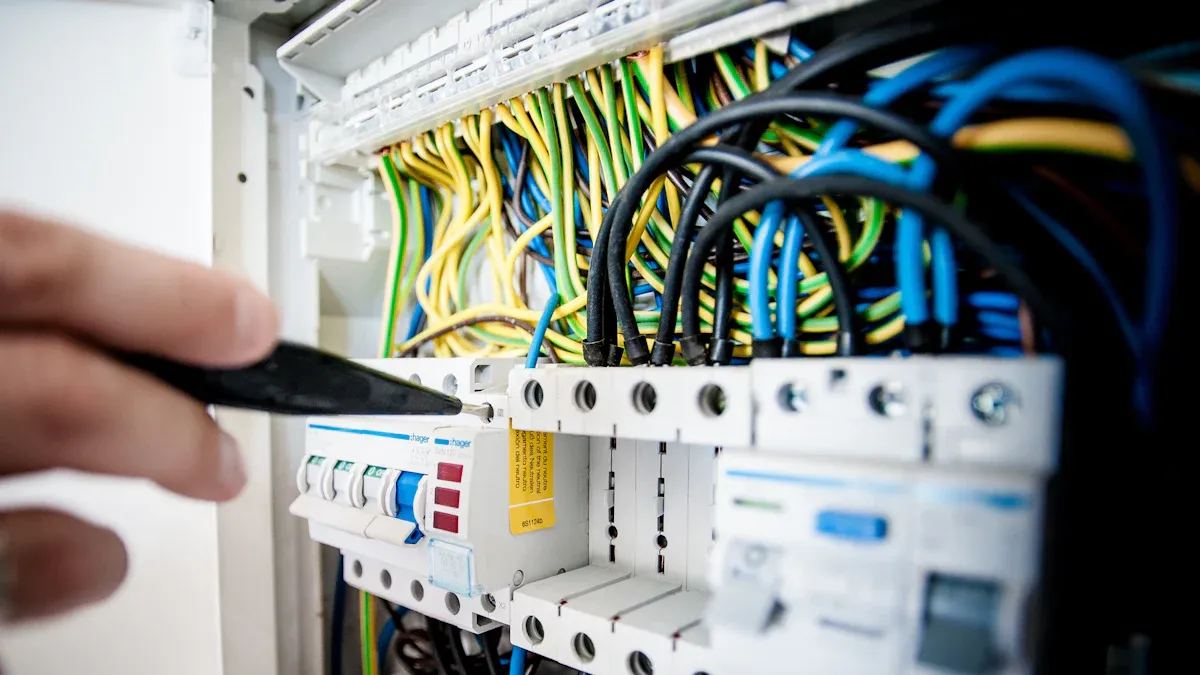
You count on circuit breaker tripping units to keep things safe. These devices notice unsafe situations and turn off the circuit breaker. This stops electricity from flowing. It helps protect your home or business from danger. When a tripping unit works, it stops fires and electrical problems.
They stop overcurrents and short circuits, which can start fires.
They lower the chance of electrical problems, making things safer.
The automatic shut-off during a problem keeps your place safe.
Circuit breaker tripping units keep your home or business safe. They stop electricity when there are unsafe conditions.
Pick the right tripping unit for your needs. Use thermal for slow overloads. Use magnetic for fast short circuits. Use electronic for more control.
Check tripping units often to make sure they work well. This helps stop electrical problems before they start.
Learn about trip functions like overload and short circuit protection. This helps you pick the best tripping unit for your system.
Selective isolation lets your electrical system keep working during a fault. This means fewer problems if something goes wrong.
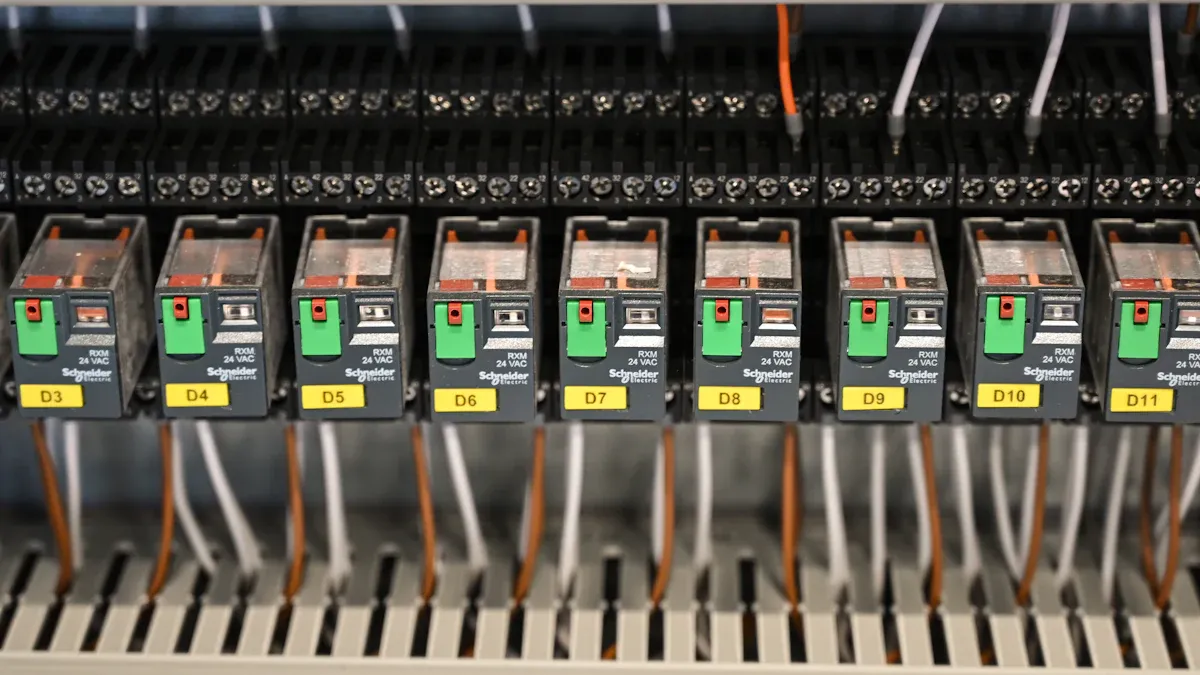
There are three main types of circuit breaker tripping units. Each type finds problems in its own way. The best type for you depends on what you need and where you use it.
Thermal tripping units sense trouble by using heat. If too much current flows for a long time, a bimetallic strip bends inside the unit. When the strip bends, it makes the breaker trip. These units are common in homes and small businesses. They work best for slow, steady overloads. They do not react quickly to sudden spikes.
Here is a quick look at how thermal, magnetic, and electronic tripping units work:
| Feature | Thermal Magnetic MCCBs | Electronic MCCBs |
|---|---|---|
| Mechanism | Bimetallic strip (thermal) and electromagnetic coil (magnetic) | Microprocessors and current sensors (CTs) |
| Response Time | Slower, time-delayed response for overload protection | Instantaneous or adjustable delays for faster response |
| Customization | Limited or fixed trip points | Extensive customization options for trip values and delays |
| Precision | Influenced by ambient temperature | Superior precision in current sensing and timing |
| Data Monitoring | Lacks advanced features | Equipped with digital displays and diagnostic capabilities |
Thermal tripping units are simple in design. You cannot change their settings much. Their trip points are not easy to adjust. They can be less accurate if the temperature changes.
Magnetic tripping units use a magnetic field to find short circuits. When a big surge of current happens, the magnetic force moves a metal arm. This trips the breaker very fast. Magnetic tripping units are used where quick action is needed, like in factories and data centers.
For big surges like short-circuits, MCCBs use an electromagnetic part. The trip unit has a coil or solenoid set to react to high currents. When a short-circuit happens, the magnetic field pulls a metal plunger fast. This makes the breaker trip right away. The trip happens in less than a second. This stops damage from high fault current.
Modern magnetic tripping units, like the HAIPART Magnetic Trip Unit, have new features. They are very sensitive and act fast. The HAIPART unit uses a special ring circuit to stop magnetic leaks. This gives you exact trip points and good performance. The HAIPART unit checks the current shape in real time. It can trip on short-circuit pulses in just milliseconds. You can use this unit in tough places, like EV charging stations, data centers, and smart microgrids. The HAIPART Magnetic Trip Unit lets you watch your system from far away. This helps keep your system safe and working well.
Electronic trip units use sensors and microprocessors to watch the current. These units can find overloads, short circuits, and ground faults. You can change their settings for different needs. Electronic trip units are good for big buildings, factories, and places that need exact control.
Here is a table that shows how electronic trip units compare to thermal and magnetic types:
| Feature | Electronic Trip Units | Thermal/Magnetic Trip Units |
|---|---|---|
| Adjustability | Easily adjustable for various protection settings | Fixed parameters, difficult to adjust |
| Multifunctionality | Integrates multiple protection functions | Limited to basic protection functions |
| Sensitivity to Conditions | More sensitive and adaptable to changing loads | Less sensitive, based on physical properties |
Electronic trip units give you more choices. You can set trip points and delays to fit your system. These units also give you data and help you find problems early. You get better accuracy and faster protection for your electrical system.
Circuit breaker tripping units help keep your electrical system safe. These units use trip functions to find problems and act quickly. There are two main trip functions. One is overload protection. The other is short circuit protection. Each one works in its own way to protect your equipment.
The thermal trip unit gives overload protection. It has a bimetallic strip inside. The strip heats up when too much current flows for a long time. If the overload keeps going, the strip bends. This bending trips the breaker. The delayed action stops shutdowns from short bursts of high current.
The magnetic trip mechanism handles short circuit protection. When a sudden surge happens, the coil makes a strong magnetic force. This force trips the breaker right away. It stops damage from high fault current.
Here is a table that shows how these trip functions work:
| Condition | Detection Mechanism | Response Time |
|---|---|---|
| Overload | Uses a bimetallic strip that bends when heated by sustained overcurrent. | Delayed |
| Short Circuit | Employs a magnetic coil that generates an electromagnetic force to trip the breaker. | Instantaneous |
Overload protection takes longer to respond. Short circuit protection acts almost instantly. This difference helps your system handle different electrical faults.
You should know how fast these trip functions work. The table below shows typical response times:
| Protection Type | Typical Response Time |
|---|---|
| Long-time overload protection | 0.5 to 24 seconds |
| Short-time short circuit protection | 0.05 to 0.50 seconds |
Long-time overload protection lets your system handle some overload for a short time. Short circuit protection reacts quickly to keep your equipment safe.
Modern tripping units, like the HAIPART Magnetic Trip Unit, use advanced technology. The HAIPART unit checks the current waveform in real time. It can find short-circuit pulses in just 5 milliseconds. This fast response means your circuit breaker trips before damage happens. You get better protection and reliability for your electrical system.
You want your electrical system to keep working, even if a fault happens. Selective isolation is a trip function that helps with this. When a fault occurs, selective isolation makes sure only the breaker closest to the problem trips. The rest of your system keeps running.
Selective isolation uses careful settings and arrangement of tripping units. You set each unit so it responds only to faults in its own section. This way, you do not shut down the whole network for one electrical fault.
Selective isolation improves reliability and safety. It quickly isolates the part with the fault. This reduces disruption to your operations. Most of your system keeps running while you fix the problem.
Modern tripping units, like the HAIPART Magnetic Trip Unit, have features that help with selective isolation. The unit’s precise trip threshold and fast detection help you find faults accurately. You can watch your system remotely and change settings for each application. This flexibility lets you keep protection and reliability.
You need to understand trip functions and fault detection to pick the right circuit breaker tripping units. When you use advanced units, you get better overload protection, short circuit protection, and selective isolation. Your electrical system stays safe and efficient.
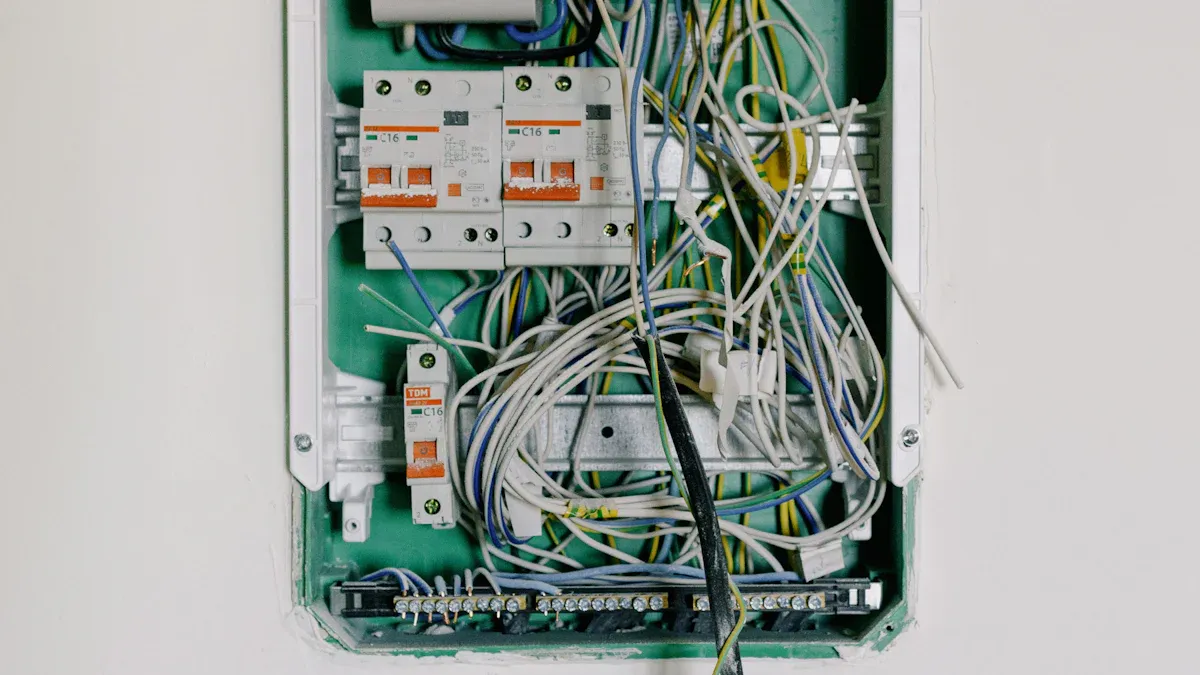
Knowing the main parts of circuit breaker tripping units helps you understand how they keep your electrical system safe. Each part works together to find problems and start the protective action.
Sensing elements are like the eyes of the tripping unit. They look for changes in current or temperature. There are different sensors in these units. Some use bimetallic strips to feel heat from overloads. Others use coils to spot sudden surges. Advanced units use microprocessors to study the current’s shape. These elements help the protective part act fast and correctly.
Tip: Sensing elements must work well. If they miss a problem, your system could get damaged.
You may also see things like removable rating plugs, protection curves, and settings you can change. These let you set up the trip unit for what you need.
The actuating mechanism is the main part of the tripping unit. When the sensing element finds a problem, the actuating mechanism moves to open the breaker. There are a few types:
Magnetic mechanism: Uses a solenoid to let go of a latch when current gets too high.
Thermal-magnetic mechanism: Has a coil for short circuits and a bimetallic strip for overloads.
Actuator: Moves the contacts, either by hand or by itself.
Operating mechanism: Changes the actuator’s movement into opening or closing the contacts.
The mechanical trip mechanism makes sure the breaker opens quickly during a problem. This keeps your equipment safe and helps your system keep working.
Adjustment features let you change the tripping unit for your needs. You can set trip points to match your load. Newer units have advanced trip settings, ground-fault protection, and ways to talk to other devices. You might use a test kit or a self-test to check if the unit works. Extra power ports and battery tests help keep alarms and memory after a trip.
Note: Adjustable settings give you control over the protective part. You can make your system safer and more reliable.
These features make circuit breaker tripping units useful and good for many jobs.
You must choose the best tripping unit for your system. First, look at what you need to protect. Motors, transformers, and lights need different trip curves. Think about what problems could happen, like overload or short circuit. Your circuit breaker should work well with others in your setup. This helps stop faults and keeps things working.
Figure out what kind of load you have. Motors and transformers might need special trip curves to stop false trips.
Think about what faults could happen. Decide if you need quick action for short circuits or slower action for overloads.
Make sure your breakers work together. Set them so only the one closest to the problem trips.
Here is a table to help you pick the right tripping unit for your load:
| Tripping Characteristic | Current Range (Times Rated Current) | Suitable Loads |
|---|---|---|
| Type B | 3-5 | Lighting circuits, heating elements |
| Type C | 5-10 | Standard motors, pumps |
| Type D | 10-20 | Large motors, transformers |
Tip: Choose a tripping unit that fits your load and fault needs. This helps protect your system and stops false trips.
Different places use different tripping units. Homes, businesses, and factories all need special features.
| Setting | Type of MCCB | Common Applications |
|---|---|---|
| Residential | Type B | Main service disconnects, high-demand circuits |
| Commercial | Type C/D | Higher voltages, adjustable trip settings, mixed loads |
| Industrial | Type D/K | Heavy machinery, large motors, rugged enclosures |
Type B units are good for homes with simple loads. Type C and D units work for bigger equipment and higher currents in businesses and factories. Many new breakers have ground fault protection for extra safety.
Taking care of your tripping unit helps it last longer. Check your circuit breaker every six months. Test it every 3 to 5 years or after big electrical problems. Clean the breaker and look for damage. Change old parts to stop trouble.
Look at the breaker and test the trip function.
Move the breaker handle and use the push-to-trip button.
Check insulation resistance and do overload tests.
Clean all parts and replace anything broken.
If your breaker trips, do these steps:
Find which breaker tripped in your panel.
Turn off all things plugged into that circuit.
Reset the breaker from off to on.
Look for loose wires or broken outlets.
Test each thing to find the problem.
Regular care helps your tripping unit work well and last longer. You keep your system safe and avoid problems.
You help keep your electrical system safe by picking the right circuit breaker tripping units and taking care of them. These devices stop too much current, help avoid long power outages, and keep equipment from getting ruined.
Checking and watching your system often helps you find problems early.
Quick fault isolation lets most of your system keep working while you fix things.
Choosing and caring for your tripping units saves money and helps use energy better.
Knowing about different trip functions helps you make good choices:
| Trip Function | Description |
|---|---|
| Thermal | Stops overloads by tripping after too much current flows too long. |
| Magnetic | Trips instantly during a short circuit to prevent equipment harm. |
| Ground Fault | Focuses on safety by detecting ground faults quickly. |
Use what you learned to make your electrical system safer and more reliable.
You use a tripping unit to sense unsafe electrical conditions. It tells the breaker to shut off power. This action protects your wires and devices from damage.
You look at your equipment and the type of load. You check if you need fast or slow response. You match the unit to your system’s needs for the best protection.
Some units let you change trip points and delays. You use dials or buttons to set them. Always follow the instructions for your specific model.
A breaker may trip from a loose wire, a faulty device, or a surge. You should check your outlets and cords. If the problem continues, ask a qualified electrician for help.


