
Views: 0 Author: Site Editor Publish Time: 2025-12-26 Origin: Site
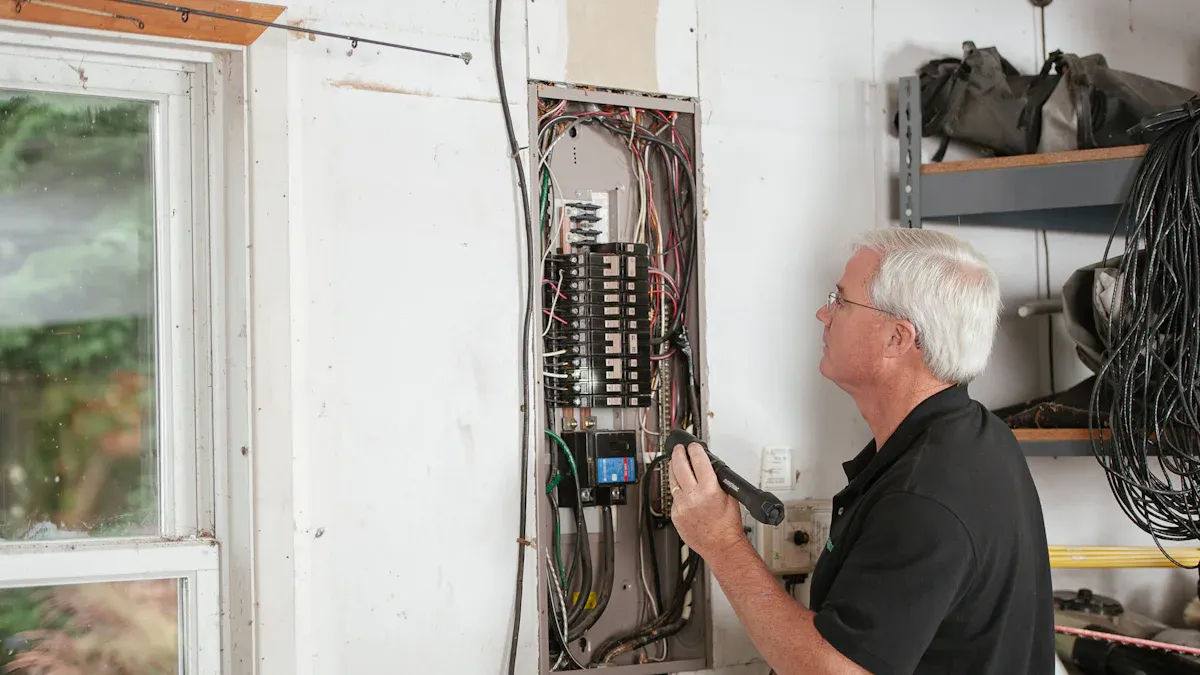
You want your home to be safe. Electrical safety is very important. Mistakes with the electrical panel can be dangerous. You could put your family in danger. Fixing a panel by yourself is risky. You might miss something important. HAIPART’s Miniature Circuit Breaker Parts help your panel work better. Check your setup often. Ask a professional for help if things look wrong.
Putting too many wires in your electrical panel is dangerous. It can make the panel too hot and cause fires. Get a bigger panel if you see it is too crowded.
Make sure the circuit breaker size matches the wire size. The wrong size can start fires or break your appliances.
Write clear labels for each circuit in your electrical panel. This helps in emergencies and makes fixing things easier.
Look for rust or water in your panel often. These problems can make connections weak and unsafe.
If you do not know how to do electrical work, call a licensed electrician. Safety is always the most important thing.
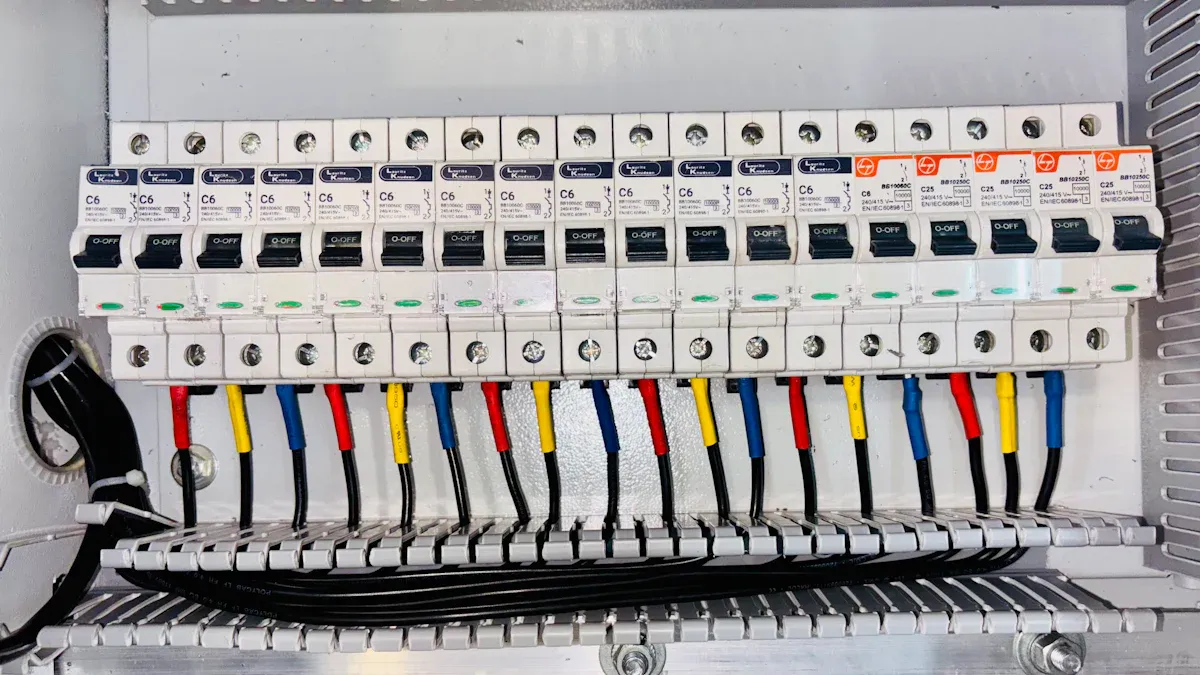
Sometimes, your electrical panel looks full of wires and breakers. Overcrowding means there are too many circuits or outlets in one panel. This happens when you need more power at home. Maybe you bought new appliances or more gadgets. Old panels were not made for so much electricity. In businesses, overcrowding happens with lots of big machines on one circuit. People sometimes add extra wiring without thinking about the panel’s limits. These mistakes can cause problems.
If you put too much in your panel, it gets hot. Heat can hurt wires and breakers. Too much heat can even start a fire. Overcrowding makes it hard to see problems. You might not notice loose wires or damage. If you overload circuits, breakers trip a lot. This means your system is not safe. You could lose power or break your outlets and devices. Overloading is a big warning. Do not ignore it.
Tip: If your panel feels hot or breakers trip a lot, you may have overcrowding. Always look for signs of overheating.
You can fix overcrowding by getting a bigger electrical panel. A new panel gives you more room for circuits and outlets. Take out old or extra wires. Label each circuit so you know what it does. If you want more safety, HAIPART’s Miniature Circuit Breaker Parts work fast and keep you safe. These parts help stop overheating and protect your system. If you are not sure what to do, call a licensed electrician. They can check your panel and make it safe.
Get a bigger panel for more circuits.
Take out old or extra wires.
Use good circuit breaker parts for better safety.
Ask a pro for help if you see overcrowding.
You might think all breakers are the same, but that’s not true. Each circuit breaker needs to match the wire size and the load it carries. If you put a big breaker on a small wire, you risk trouble. Electricians see this mistake a lot during home inspections. For example, someone might install a 30 amp breaker for an air conditioner, but the wire is only rated for 20 amps. This mix-up can happen when you add new outlets or upgrade appliances without checking the panel. Sometimes, home inspectors get confused and call electricians more than once to fix these electrical panel mistakes.
An inspector had to swap a 30 amp breaker for a 20 amp because the wire was too small.
Homeowners often face extra costs when the wrong breaker size is found.
Choosing the wrong breaker size can put your safety at risk. If the breaker is too big, it might not trip during an overload or short circuit. This can lead to electrical fires or damage your appliances. A breaker that doesn’t fit right can cause arcing or overheating inside the panel. You also risk breaking electrical codes, which can affect your insurance or make it hard to sell your home. Some foreign breakers don’t have the right safety features, making things even more dangerous.
Breaker may fail to trip, causing fire or appliance damage.
Poor fit can lead to overheating or arcing.
Non-compliance with codes can hurt insurance or property value.
Unsafe breakers may lack key safety features.
You can fix this mistake by checking the wire size and the load for each circuit. The National Electrical Code gives clear rules for sizing breakers. Here’s a quick guide:
| Load Type | Breaker Sizing Requirement |
|---|---|
| Continuous Loads | 125% of load current (NEC 210.20(A)) |
| Non-Continuous Loads | 100% of load current (NEC 240.4) |
| Motor Loads | 125% of full-load current (NEC 430.52) |
| Mixed Loads | Treated as continuous at 125% |
If you’re not sure, ask a licensed electrician to help. Always use quality circuit breaker parts for your panel. HAIPART offers reliable breaker components that meet safety standards and help prevent mistakes. Good parts protect your electrical system and keep your outlets safe.
Tip: Never guess the breaker size. Always match the wire and load. Quality parts from HAIPART can make your electrical panel safer.
Have you ever seen two wires in one spot? That is called double-lugging. Some people do this to save time. It is not a safe thing to do. Double-lugging means two wires share one terminal or screw. People sometimes do this to add more circuits. They do not upgrade the panel. You might see this in older homes. Sometimes, people do it for a quick fix. It looks easy, but it can cause big problems.
Double-lugging makes loose connections in your panel. Loose wires can get hot and even melt. Wires move when electricity flows. This makes the connection weaker. Sparks can jump between wires. This is called electrical arcing. Arcing can make tiny explosions or start a fire. Double-lugged wires can overload circuits. Breakers might trip a lot. Here’s a table that shows the main dangers:
| Hazard | What Can Happen |
|---|---|
| Overheating | Wires and terminals may melt or burn |
| Electrical Arcing | Sparks can ignite flammable materials |
| Loose Connections | Can cause fires or circuit overloads |
| Circuit Overload | Breakers trip more often |
⚠️ Tip: If you see two wires under one screw, call an electrician. Double-lugging is never safe.
You can fix double-lugging by moving the wires apart. Each wire should have its own terminal. Never put two wires in one spot. If your panel is too small, ask a pro to upgrade it. Sometimes, you need a bigger panel or more breakers. Using good parts, like HAIPART, helps keep your system safe. Always check your panel for double-lugged wires. If you find any, get help fast. Your safety is most important.
You walk up to your electrical panel and see a bunch of switches. You wonder which one controls the kitchen outlets or the living room lights. Labeling helps you know what each breaker does. When you label your panel, you make things easier for yourself and others. If something goes wrong, you can act fast. In an emergency, clear labeling can save time and even lives. Firefighters or electricians need to find the right breaker quickly. You do not want to guess during a crisis.
You can shut off the right circuit fast if there is a fire.
You avoid confusion when you need to turn off power for repairs.
Emergency workers can find the correct breaker without delay.
If you skip labeling, you create confusion. You might turn off the wrong breaker and leave dangerous circuits live. This mistake can lead to shocks or fires. You risk damaging appliances or outlets because you cannot find the right switch. Unlabeled circuits slow down emergency response. If someone needs to cut power quickly, they waste time searching. You also make repairs harder for electricians. They may need to test every breaker, which takes longer and costs more. Safety drops when you cannot identify circuits.
⚠️ Tip: Never guess which breaker controls an area. Unlabeled panels can put you and your family at risk.
You can label your electrical panel with simple steps. Use a permanent marker or printed labels. Write clear names like "Kitchen Outlets" or "Bedroom Lights." Test each breaker to see what it controls. Turn off one breaker at a time and check which outlets or lights lose power. Record your results and stick labels next to each switch. Keep your panel labels up to date if you add new circuits or move things around. Good labeling makes your home safer and helps everyone know what to do in an emergency.
Use easy-to-read labels.
Test each breaker before labeling.
Update labels when you change your electrical setup.
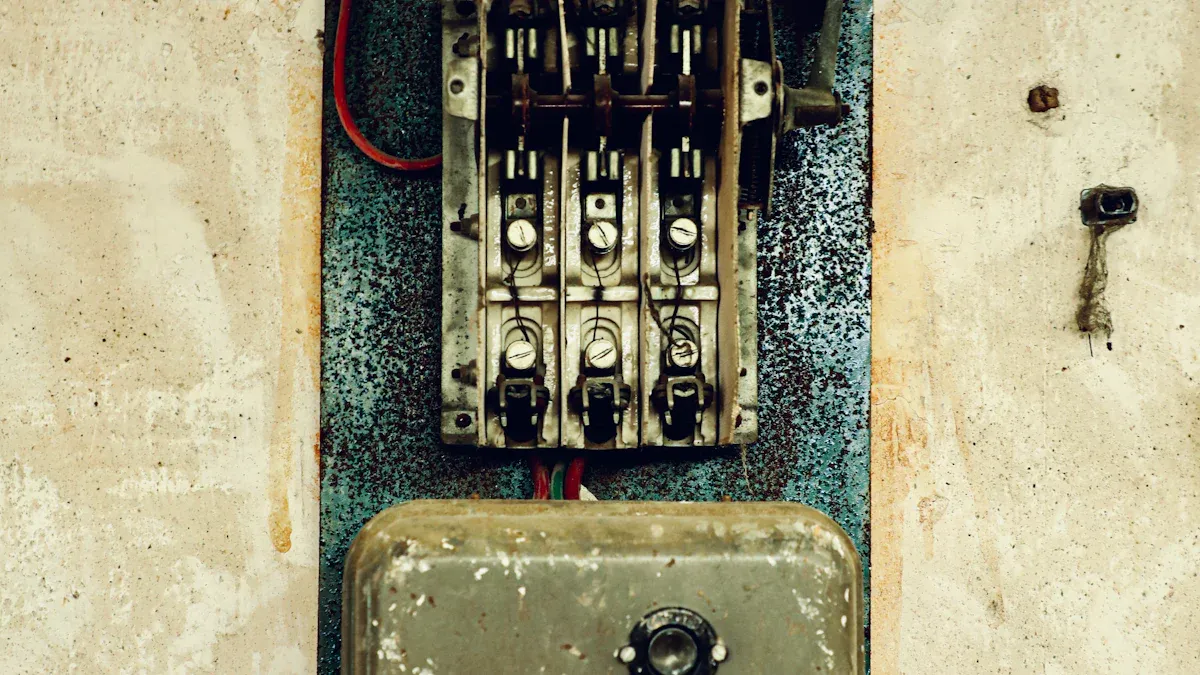
You might see rust or white powder in your electrical panel. These are signs of corrosion. Sometimes, you find this on screw terminals. It can look like flakes or dust. You may also notice water stains or wet spots near the panel. If the panel feels damp, that is a warning sign. Corrosion can make connections weak and unsafe.
Identifying Moisture Damage: Rust and white powder can build up on screw terminals. This kind of corrosion makes the wiring connections weak. When connections get weak, resistance goes up. More resistance means more heat. Too much heat can start a fire.
Corrosion and moisture can cause big problems for your panel. Wires and breakers might not work right. You could have overheating or even a fire. Breakers with moisture damage may not trip when they should. If they do not trip, overloads can happen without warning. This can cause arc flashes and burns. About 12% of panel failures are from corrosion or moisture.
Circuit breakers with moisture damage may not trip. Overloads can happen and cause overheating. Arc flashes can hurt your home and cause burns.
In 12% of cases, panels had bad corrosion or moisture problems.
You can keep your panel safe by checking for rust and moisture often. Make sure your panel stays dry all the time. Fix leaks near the panel right away. Use a dehumidifier if the room feels damp. If you see rust or white powder, call an electrician. They can clean the panel and change bad parts. Ask them to check the grounding. Good grounding helps stop moisture problems. Keep the area around your panel clear. Do not put wet things near it. Check your panel often to catch problems early and stay safe.
Look for rust or white powder on your panel.
Fix leaks and keep the area dry.
Call an electrician for cleaning and repairs.
Make sure you have good grounding.
Keep wet things away from your panel.
You might think a wire looks tight, but it can slip out if you do not use the right tools. Many people twist wires by hand or use the wrong screwdriver. Sometimes, you forget to check every screw in your electrical panel. Wires can loosen over time because of vibration or heat. If you add new outlets or move wires, you might not tighten them enough. You may also mix up ground and neutral wires, which causes more problems. Loose wires are easy to miss, but they can lead to big trouble.
Wires loosen from vibration or heat.
Hand-tightening does not always work.
Mixing up ground and neutral wires is risky.
Loose wire connections create real danger in your electrical panel. When wires are not tight, they can spark and make heat. These sparks can start fires fast. You risk losing power to outlets or damaging your devices. Loose wires can also mess up grounding, which protects you from shocks. Here are some facts:
Loose or damaged wiring poses a significant safety hazard.
Loose wires can create arcs, generating high heat and sparks.
These arcs can ignite surrounding materials, leading to fast-spreading electrical fires.
If you see flickering lights or smell burning near your panel, you should act quickly. Never ignore these warning signs.
⚡ Tip: Loose wires can cause fires. Always check your panel for signs of heat or burning smells.
You can fix loose wire connections with the right tools and steps. Always use a screwdriver that fits the terminal screw. Tighten each wire to the manufacturer’s torque specification. For example, a Square D 20 amp breaker needs 22 inch-pounds of torque. Do not guess—check the label or manual for your panel. Good grounding keeps your system safe. If you want extra reliability, use HAIPART’s terminals. These terminals hold wires tight and help prevent loose connections. You can ask an electrician to check your panel if you are unsure.
Use the right screwdriver for each terminal.
Tighten wires to the correct torque.
Choose quality terminals like HAIPART for secure connections.
Make sure your grounding is solid.
Some people use the electrical panel to connect extra wires. They do this when they run out of room in junction boxes. It might look simple, but it is not safe. The panel is made for breakers and main wires only. It is not for joining lots of wires together. If you use your panel this way, it gets crowded and messy. It also makes finding problems much harder later.
Note: The electrical panel should only have wires for breakers and main connections. Extra splices or wire nuts inside the panel can cause confusion and danger.
Using the panel as a junction box is risky. You might get loose wires and bad connections. These problems can make wires overheat or even catch fire. Electricians sometimes find melted wire covers or burned spots in these panels. It also makes it hard to find electrical problems. If you need repairs, the mess slows everyone down. Here are some risks:
| Hazard | What Can Happen |
|---|---|
| Overheating | Wires may melt or burn |
| Fire Risk | Sparks can start fires |
| Hard to Troubleshoot | Repairs take longer |
| Code Violations | Fines or failed inspections |
⚠️ Tip: Do not use your electrical panel for extra wire splicing. This mistake can put you in danger.
There are better ways to join wires. Use a real junction box for extra wire connections. Junction boxes keep wires safe and neat. They also make fixing problems easier later. If you need more space, ask an electrician to add a new box or upgrade your system. Always follow electrical codes to stay safe. Good parts from brands like HAIPART help your system work well. Using the right equipment protects your home and makes repairs easier.
Use junction boxes for joining wires.
Keep your panel neat and just for breakers.
Call a pro if you need more space.
Pick good electrical parts for better safety.
You might think a missing cover on your electrical panel is no big deal. It actually creates serious risks for you and your home. When the cover is gone or damaged, you can touch live electrical parts by accident. That can lead to a dangerous shock. Small objects like screws or dust can fall inside the panel. These things can cause electrical problems or even start a fire. If you leave the cover off, you might break electrical codes. That could mean trouble if you ever need an inspection.
Accidental contact with live electrical parts can cause shock.
Foreign objects may enter and create fire hazards.
Missing covers can lead to code violations and legal issues.
In one case, an electrician in Atlanta lost his life while checking a panel with a faulty part. The panel did not have a secure cover. This tragedy shows how important it is to keep your electrical panel protected. A missing cover can turn a simple inspection into a deadly situation.
⚠️ Tip: Never ignore a missing or broken panel cover. Your safety depends on keeping the electrical panel sealed and secure.
You can fix a missing or damaged cover with a few careful steps. Always put safety first when working with electrical panels.
Turn off the main power supply before you start.
Use the right tools to remove screws or fasteners from the old cover.
Lift the cover gently. Try not to bump the breakers or wires.
Check the old cover for cracks or rust.
Look at the wires inside. Make sure they are tight and not frayed. Take a photo if you want to remember how things look.
Line up the new cover with the panel. Secure it with screws or fasteners.
Check for gaps. You do not want moisture or bugs to get inside.
Turn the power back on. Test the breakers to make sure everything works.
If you feel unsure, call a licensed electrician. They know how to keep your electrical panel safe and working right.
You might look inside your electrical panel and see wires labeled ground and neutral. Bonding means connecting these wires together in a way that helps keep your electrical system safe. In the main panel, you bond the ground and neutral wires. This setup lets fault currents flow back to the circuit breaker, so it trips and protects you from electric shock. When you add a subpanel, things change. You must keep the ground and neutral separate in subpanels. This separation stops current from flowing through the wrong wires and keeps metal parts from carrying electricity. If you mix up these connections, you could create a dangerous situation.
If you make mistakes with bonding, you put your safety at risk. Here are some problems you might face:
Electrical shocks can happen if current flows where it should not.
Equipment might get damaged because fault currents do not follow the right path.
Improper fault current paths can cause safety hazards.
You could touch metal parts and get a dangerous shock.
Power quality issues may appear, like chip damage or data loss.
⚡ Tip: Always check your panel for proper grounding and bonding. Mistakes can lead to serious safety problems.
You want your electrical panel to work safely. Follow these steps for proper grounding and bonding:
In the main panel, bond the ground and neutral wires together. This helps the breaker trip during a fault.
In subpanels, keep ground and neutral wires separate. This stops neutral current from flowing through grounding conductors.
Use the right parts and connectors for your panel. Quality components, like those from HAIPART, help you maintain safe connections.
Check your panel for loose wires or mixed-up connections. If you feel unsure, call a licensed electrician.
Never guess about bonding. Proper grounding keeps you and your home safe.
Note: Good bonding and grounding protect your electrical system and help your circuit breaker work as it should.
You might think you can fix your electrical panel. Many people make mistakes when they try. Some try to upgrade their panel without knowing the rules. This can cause big trouble. You may add outlets or lights and overload circuits. Sometimes, you pick the wrong wire size. This can make wires get too hot. Mixing wire sizes or making bad connections is risky. Many forget to put GFCI outlets in bathrooms or kitchens. Some skip permits or ignore local codes. Picking the wrong panel size or using old equipment also causes problems.
Here are some mistakes people make:
Putting too many outlets or fixtures on one circuit.
Adding outlets in wet places without GFCI protection.
Mixing wire sizes and making bad connections.
Not getting permits or following the rules.
Using the wrong boxes, which makes things crowded.
Tip: Check your panel’s limit before adding new outlets or circuits.
DIY mistakes can make your home unsafe. If you overload a circuit, it could start a fire. Using the wrong wire size can make wires overheat. Bad connections can cause sparks or shocks. If you skip permits or break the rules, you might fail inspections. You could lose insurance. Outlets in wet places without GFCI protection can shock you. Old equipment or the wrong panel size can make your system fail. These risks are serious and can hurt your family.
Fires from overloaded circuits.
Shocks from bad connections.
Failed inspections and insurance trouble.
System failures from old or wrong equipment.
Call a professional for hard repairs or upgrades. If you do not feel sure about wiring, get help. Electricians know how to fix panels safely. They follow the rules and use good parts. HAIPART’s experts give safety tips and reliable parts. You feel better when you trust a pro. Do not risk your safety by guessing or skipping steps. Your home needs safe electrical systems.
Note: For any panel work that is not simple, ask a licensed electrician. HAIPART’s team can help you avoid mistakes and keep your panel safe.
You might use your TV, microwave, and air conditioner together. If your panel cannot handle all that power, it gets overloaded. Overloading happens when you use more electricity than your panel can give safely. This pushes your system past its safe limit. The panel tries to help by tripping breakers. But too much demand can still cause problems. You want your home to be safe, so you should know when your panel is working too hard.
Overloading your panel is dangerous. It can break down the insulation on wires. This can expose wires and start fires. Too much heat from the panel can also burn things nearby. You might see some warning signs if your system is struggling:
Breakers trip a lot, even with normal appliances.
Lights flicker or get dim when you use big devices.
The panel feels warm or hot when you touch it.
You hear buzzing or crackling sounds from the panel.
Appliances do not work as well as they should.
You smell burning or see black marks near outlets.
If you ignore these signs, you could have electrical fires. Your appliances might get damaged. You could also have insurance problems if your system is not safe.
You can keep your panel safe by following some easy steps. Spread out your appliances on different outlets and circuits. Do not use many high-watt devices at the same time. Upgrade old wiring and panels if your home needs more power. Make sure you know how much each circuit can handle. Stay within safe limits. Unplug things when you are not using them. Do not overload power strips or extension cords. Get regular electrical inspections to find problems early. For extra safety, use HAIPART Miniature Circuit Breaker Parts. These parts work fast to stop faults and help prevent overheating. They keep your system safe and reliable.
Tip: If your breakers trip a lot or lights flicker, check your panel and call a pro. Using good parts like HAIPART can help keep your home safe.
You want your electrical panel to be safe every day. Checking your panel often helps you find loose wires. This also keeps your system following the rules. Good miniature circuit breaker parts from HAIPART protect your home. They also help you save money in the long run. Here is what you get:
| Benefit | Why It Matters |
|---|---|
| Enhanced Safety | Stops fires and protects your equipment. |
| Durability | Lasts longer and reduces repairs. |
| Easy to Use | Quick reset keeps your power on. |
If you have a hard problem, ask a pro for help. Always pick good electrical parts so you can feel safe.
If your breaker trips often, unplug some devices. Check for signs of overheating or burning smells. You might have an overloaded circuit. Call a licensed electrician if the problem continues.
You should not replace a breaker unless you have training. Working inside a panel is dangerous. You risk shock or fire. Always call a professional for this job.
You should check your panel once a year. Look for rust, loose wires, or signs of heat. Regular checks help you catch problems early and keep your home safe.
HAIPART parts offer fast response and strong protection. You get reliable performance and better safety for your electrical system. Quality parts help prevent many common panel mistakes.


 English


