
Views: 0 Author: Site Editor Publish Time: 2026-01-26 Origin: Site
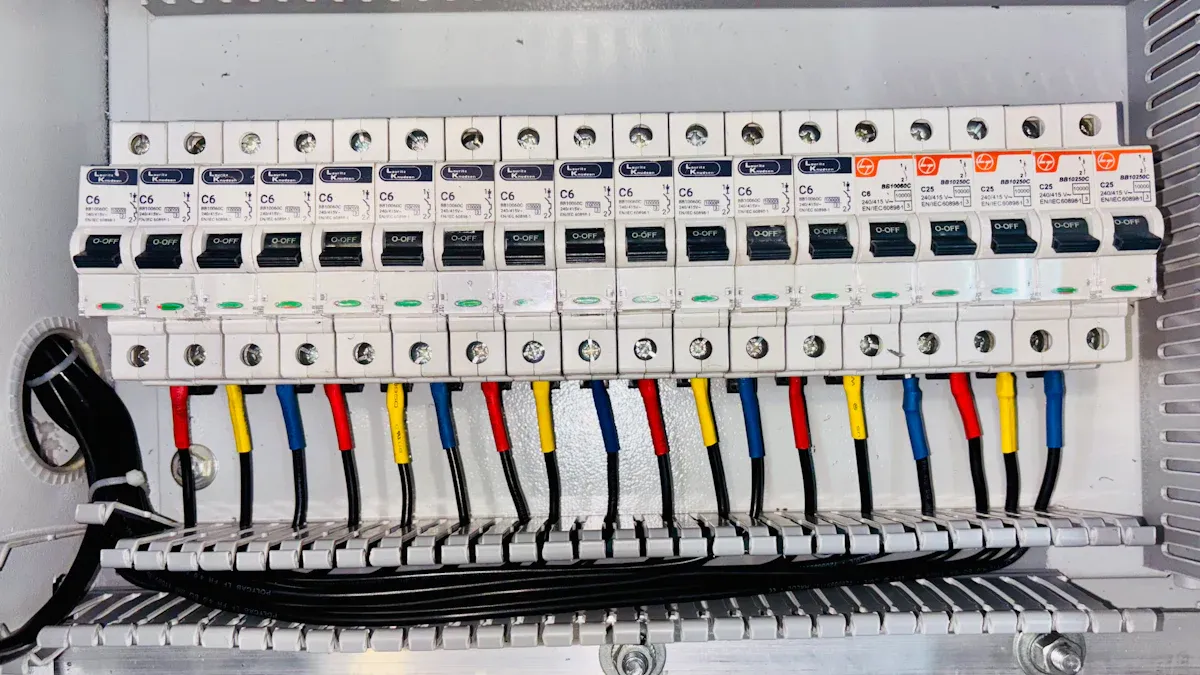
The main difference between an MCB and an RCBO is what they protect against. An MCB stops overload and short-circuit faults. An RCBO gives more protection. It combines overload, short-circuit, and residual current device functions. This helps guard against shock and leakage. Picking the right circuit protection is very important for safety at home and work. Every year, electrical fires in homes hurt thousands of people. These fires also cause millions of dollars in damage. You should know about these risks:
Electrical fires kill almost 500 people each year. They also cause over $1.3 billion in damage.
Arcing faults lead to more than 28,000 home fires. These fires hurt hundreds of people.
MCBs are used more in home circuit systems. RCBOs are becoming more common in mixed-use buildings.
HAIPART is a trusted brand. It gives reliable circuit parts to help keep you safe. You can trust this guide for easy explanations. It will help you make smart choices. The MCB vs RCBO: The Ultimate Guide will help you protect your family and workplace from shock and electrical dangers.
MCBs stop too much current and short circuits. They help keep homes safe in a simple way.
RCBOs give two kinds of protection. They stop too much current and earth leakage. This makes them good for places with more danger.
Pick MCBs for easy setups. Use RCBOs in places with more shock risk, like kitchens and bathrooms.
Check your circuit protection devices often. This helps make sure they work right and keep your home safe.
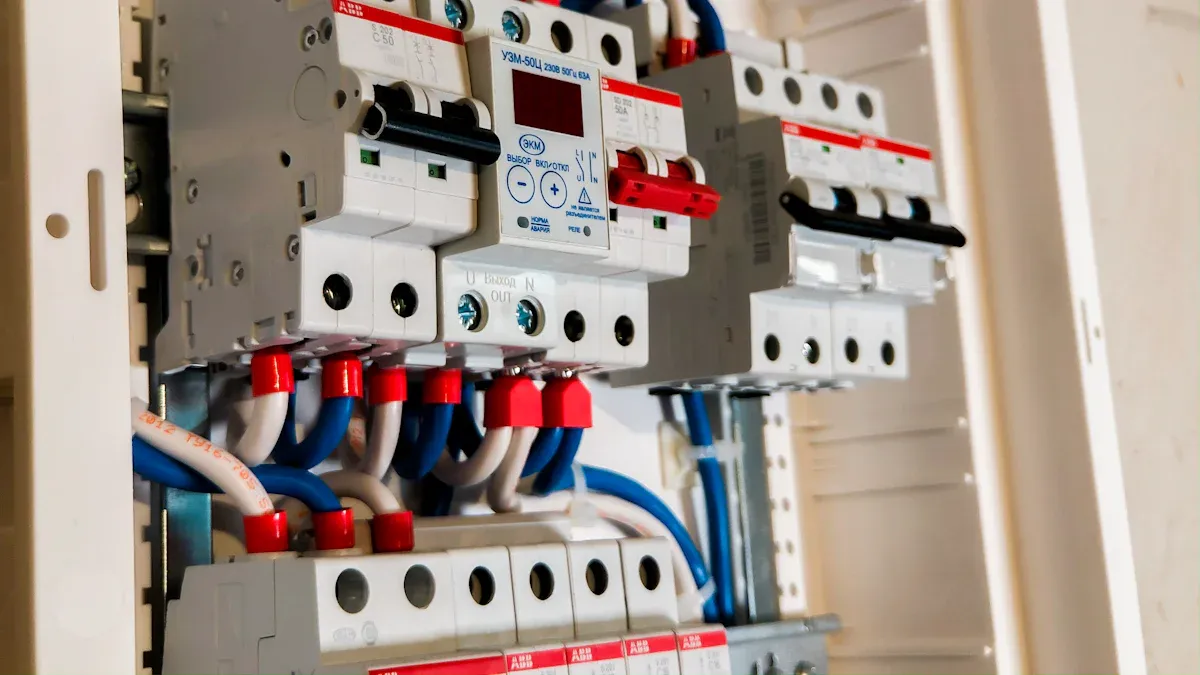
A miniature circuit breaker helps protect your wires from problems. The MCB works like a safety switch. If too much electricity flows, it turns off the power fast. This stops things from getting too hot and lowers fire risk. You do not have to buy a new one after it trips, unlike old fuses. The MCB keeps your house and job site safe by stopping problems before they get worse.
Turns off the power if the current is too high.
Stops things from getting too hot or catching fire.
Keeps your devices safe from harm.
You see MCBs in houses, schools, and factories. They are used a lot to keep things safe. The miniature circuit breaker is simple to use and works well. You can turn it back on with a switch after it trips.
MCBs have many ways to keep you safe. They act fast if there is too much power or a short circuit. The breaker uses heat and magnets to find problems. When something goes wrong, the MCB shuts off the power right away. This keeps your things and wires safe.
MCBs turn off the power if there is too much current or a short.
You can turn them back on after they trip.
They use heat and magnets to work fast.
MCBs help stop fires by turning off the power when needed.
They keep your important devices from getting ruined.
You count on MCBs to keep your wires safe every day.
HAIPART makes miniature circuit breaker parts that are safe and strong. You get better safety for your wires and devices. HAIPART uses good materials and smart ways to build each breaker so it lasts longer and works well.
| Benefit | Why It Matters |
|---|---|
| Enhanced Safety | Stops fires and keeps your things safe. |
| Durability | Works longer and needs fewer repairs. |
| Easy to Use | You can turn the power back on fast. |
You can trust HAIPART for safe electrical parts that follow the rules. Their miniature circuit breaker parts help you keep your wires safe at home and at work.
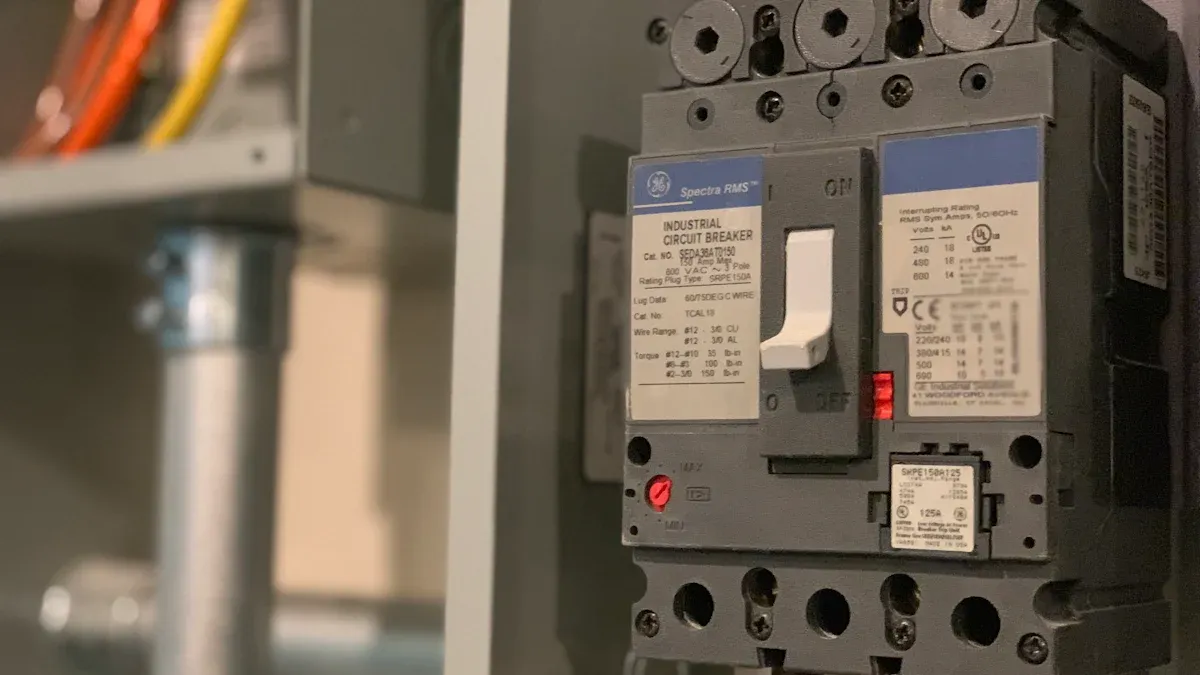
You might hear about RCBOs when talking about electrical safety. RCBO means residual current breaker with overcurrent protection. This device has two main safety features in one. The RCBO works as a residual current circuit breaker and an overcurrent protector. It checks for problems like too much current or electricity leaking out. If the RCBO finds a problem, it shuts off the power fast. This helps stop electric shock and lowers fire danger.
The main job of a residual current breaker with overcurrent protection is to keep you and your things safe. It does this by:
Stopping electricity if it finds a dangerous imbalance.
Protecting against short circuits and overloads.
Finding earth leakage, which means electricity is escaping.
RCBOs give strong protection for your electrical system. You get two kinds of safety because the device guards against overcurrent and residual current problems. The RCBO watches how electricity moves and checks for anything odd. If it finds trouble, it trips and cuts off the power right away.
Here is a table that shows how RCBOs protect you:
| Feature | Description |
|---|---|
| Dual protection | Guards against both residual current and overcurrent problems. |
| Enhanced safety | Lowers the risk of shocks and fires, keeping people and things safe. |
| Operation | Watches electricity, finds problems, and turns off power if needed. |
Modern RCBOs have extra features. Some let you change how sensitive they are, so you can set them for different leakage levels. Others have lights that show if the breaker is on or off. These features make RCBOs even safer for you.
You can use RCBOs in many places where safety is important. Homes, schools, hospitals, and factories all use this kind of protection. RCBOs work well in places with higher shock risk, like kitchens, bathrooms, and outside circuits. You also see them in factories where machines need more safety.
RCBOs are great when you want to protect people and equipment. They help you feel safe because they act fast if something goes wrong. If you want to make your electrical system safer, picking a residual current breaker with overcurrent protection is a smart choice.
You might wonder how mcb and rcbo are different. The table below shows what each one does, how they protect, how much they cost, and how you take care of them. This makes it easier to see which one is better for you.
| Feature | MCB (Miniature Circuit Breaker) | RCBO (Residual Current Breaker with Overcurrent Protection) |
|---|---|---|
| Primary Protection | Overload, Short Circuit | Overload, Short Circuit, Earth Leakage (Residual Current) |
| Personal Safety | Protects wiring and devices | Protects people from shock and leakage |
| Functionality | Single-purpose | Dual-purpose |
| Testing | Checks only after tripping | Has test button for residual protection |
| Fault Indication | Ambiguous | Clear indication, status window |
| Maintenance | Passive | Active, preventive possible |
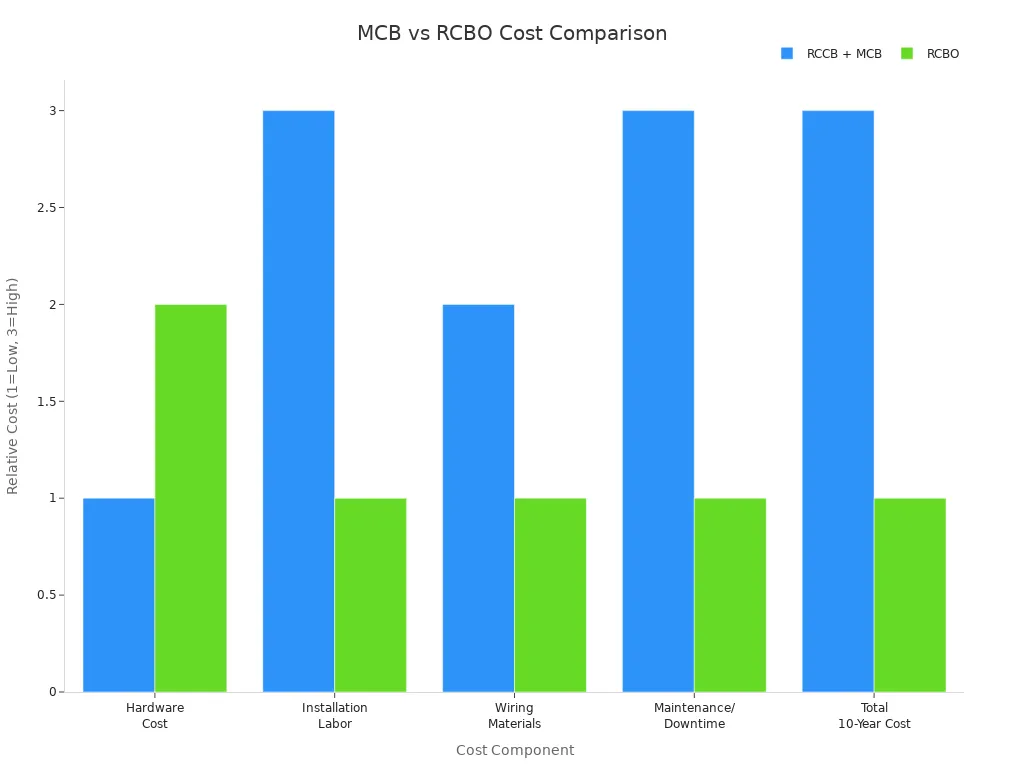
| Hardware Cost | Lower | Medium |
| Installation Labor | Higher | Lower |
| Wiring Materials | Medium | Lower |
| Total 10-Year Cost | Higher | Lower |
There are many ways mcb and rcbo are not the same. The mcb keeps your circuit safe from too much power and short circuits. It helps your wires and devices stay safe. The rcbo does more jobs. It protects against too much power, short circuits, and earth leakage. This means it can stop shocks and leaks.
The mcb only does one job. It stops too much current or short circuits.
The rcbo does two jobs. It stops both overcurrent and residual current.
The rcbo has a test button. You can check if it works for leaks. The mcb does not have this button.
The rcbo shows clear signals when there is a problem. Some have a window to show the status. The mcb does not always show why it turned off.
The rcbo lets you check it before something goes wrong. The mcb only gets checked after it turns off.
When you look at price, the mcb costs less to buy. You pay less at first. The rcbo costs more, but you save money on putting it in and fixing it. Over ten years, the rcbo can cost less because it stops big problems and saves time.
You need to pick the right device for your circuit. The mcb vs rcbo: the ultimate guide helps you choose based on where you use them.
In homes, you use mcb for basic protection. Type B mcb works well for lights and outlets.
In offices and shops, you use mcb type C. It handles normal surges from equipment.
In factories, you use mcb type D. It protects circuits with motors and transformers.
You use rcbo when you want extra safety. Kitchens, bathrooms, and outdoor circuits need rcbo. These places have higher shock risk. Hospitals and schools also use rcbo for better protection. You see rcbo in places where people need strong protection from residual current.
Tip: If you want to protect people from shock and leakage, choose rcbo. If you only need to protect your wiring and devices, mcb is enough.
The mcb vs rcbo: the ultimate guide shows you that both devices are important. You pick based on your safety needs, cost, and where you use them.
You use an mcb at home to keep things safe. The mcb checks for too much current or short circuits. If there is a problem, it shuts off the power fast. This helps stop fires and keeps your family safe from shock. You find mcb devices in kitchens, living rooms, and bedrooms. They protect things like appliances, lights, and outlets. The mcb also helps with residual current issues. This makes sure your home stays safe.
Tip: Always look at your mcb after it trips. Only reset it when you know what caused the problem.
Factories and big buildings need strong circuit protection. You see mcb devices in places like motor control centers and machine tools. They are also used in data centers. The mcb protects heavy equipment from too much current. It works in special places like EV charging stations and solar systems. The table below shows where mcb devices are used in industry:
| Application Type | Description |
|---|---|
| Overcurrent Protection | mcb devices keep machines and circuits safe from overloads. |
| EV Charging Solutions | S200 mcb models work for EV stations with different AC and phases. |
| Photovoltaic Applications | mcb devices protect solar strings from too much current and short circuits. |
You count on mcb devices to keep your workplace safe. They help your machines work well.
HAIPART gives you good mcb parts for every need. You get strong protection for homes and factories. HAIPART mcb devices meet ISO 9001 and IEC rules. You can use them in DC or AC systems up to 600V. The table below shows why HAIPART mcb parts are a good choice:
| Advantage | Residential Applications | Industrial Applications |
|---|---|---|
| Expertise | Over 10 years making mcb devices | Motor control centers (3P 63A-125A) |
| Certifications | ISO 9001, IEC, RoHS certified | Machine tool protection (10kA capacity) |
| Custom Solutions | Panels for boats and farms | PLC control panels |
| Specialized Environments | Kitchen appliance protection | Surge-protected types for data centers |
You pick HAIPART mcb devices for safety, smart design, and trusted use in every place.
You want your home to be safe for your family. An rcbo helps make your electrical system safer. This device looks for problems in your wires. It acts quickly if it finds danger. You get more than basic protection. The rcbo can stop overloads and earth leakage. This helps prevent fires and electric shocks.
RCBOs can cut the chance of shocks by 30%.
They can lower electrical accidents by up to 70%.
You get better safety in rooms with water, like kitchens and bathrooms.
The rcbo protects your family from hidden circuit dangers.
You can trust an rcbo to keep your home safe every day.
Factories and big buildings need strong electrical safety. You use rcbo devices to protect workers and machines. These devices watch for problems in the wires. They stop power fast if they find a fault. This quick action helps prevent fires and keeps people safe from shock.
You see rcbo devices near heavy machines, wet areas, and outdoor circuits. The rcbo gives you peace of mind because it works even when you cannot see the danger. You can lower the risk of accidents and keep your workplace running well. Electrical safety matters for everyone in the building.
You want to pick the right rcbo for your needs. You should look at a few things before you choose. The table below shows what you need to check:
| Criteria | Description |
|---|---|
| Current Rating Selection | Match the RCBO current rating to the circuit’s needs. Think about load and cable size. |
| RCBO Type Selection | Pick Type AC, Type A, or Type B based on what is connected. |
| Trip Curve Selection | Choose trip curve B, C, or D for the kind of load you expect. |
| Application Assessment | Check the circuit’s job, the environment, and the setup to see if it fits. |
| Technical Specifications | Make sure the device has the right sensitivity, short circuit strength, and pole setup. |
| Compliance Verification | Check that it follows rules and standards for installation. |
You should always check the circuit and the type of load before you buy an rcbo. You get the best safety when you match the device to your needs. If you want the highest protection, choose an rcbo for your home or workplace.
You want to pick the best circuit protection for your space. First, look at the risks in your area. If there is a bigger chance of electrical problems, you need stronger safety. Use RCBOs in wet places, like bathrooms or outside. These devices help stop shocks and leaks. If your system is simple and dry, MCBs might be enough. Think about what you need and how hard your setup is.
Look for high-risk spots, like wet rooms or outside circuits.
Use RCBOs if you need more safety from shock or leaks.
Pick MCBs for basic safety in dry, safe places.
Match your choice to how complex your system is.
Tip: Always think about your needs before you choose. Safety is most important.
You need to check a few things before you pick a device. The kind of load is important. Lights and heaters use resistive loads. Motors and transformers use inductive loads. Some devices start with a big power surge. Pick an MCB that can handle this surge. Match the MCB type to what you are using it for. Type Z is good for sensitive electronics. Type D is for heavy machines. Make sure the breaking capacity is high enough for your system. Always check that your device follows local rules.
Find out if the load is resistive or inductive.
Check the starting current for your equipment.
Match the MCB type to your use.
Check the breaking capacity.
Make sure it meets standards and rules.
Note: Picking the right device keeps your system safe and working well.
| Aspect | MCB | RCBO |
|---|---|---|
| Safety | Overcurrent protection only | Overcurrent and residual current protection |
| Cost | Lower upfront, may need extra devices | Higher upfront, covers all protection |
| Application | Limited to basic setups | Works in homes, businesses, and factories |
You can use this table to compare your choices fast. Pick the device that fits your safety needs, budget, and space.
You now know how MCBs and RCBOs work. MCBs stop too much current and short circuits. RCBOs give more safety by stopping earth leakage. Picking the right device keeps your home and work safe. It also helps you follow safety rules. HAIPART Miniature Circuit Breaker Parts have good features and last a long time. When you look at your circuit protection, remember these things:
| Key Point | Description |
|---|---|
| Compatible Mounting Hardware | Use the right hardware for your breaker to stay safe and follow rules. |
| Regular Inspections | Check often for loose screws, rust, or heat damage. |
| Staff Training | Teach staff how to use electrical systems safely. |
You should ask trained experts to install and check your system. They can find problems, stop issues, and make your system work better. Take time to check your setup so everyone stays safe.
You use an MCB to protect your wires and devices from too much current or short circuits. The MCB turns off the power quickly to stop fires and damage.
An RCBO gives you two kinds of protection. It stops overloads and short circuits. It also shuts off power if it finds electricity leaking, which helps prevent shocks.
You should use an RCBO in places with water, like bathrooms or kitchens. RCBOs work best where you need extra safety from electric shock or leakage.
| Feature | Benefit |
|---|---|
| High-quality | You get strong safety |
| Smart design | You use parts easily |
| Trusted brand | You rely on performance |
You can reset an MCB by flipping the switch back to "ON." Always check what caused the trip before you turn it on again.


