
Views: 0 Author: Site Editor Publish Time: 2025-11-18 Origin: Site
Electric arcs can cause serious damage in circuit breakers. How do arc chambers keep these arcs under control? Arc chambers are vital for electrical safety and breaker longevity. In this post, you’ll learn how arc chambers work, why they matter, and how they extend circuit breaker life.
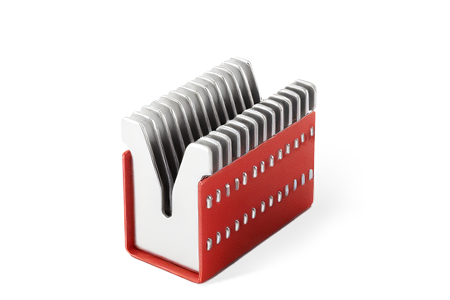
Arc chambers play a crucial role in improving circuit breaker safety and extending their service life. When a circuit breaker interrupts a current, an electric arc forms between the contacts. Managing and extinguishing this arc quickly is vital to prevent damage and ensure reliable operation. Let’s explore how arc chambers achieve this through their design and materials.
Arc chambers use a combination of physical and electromagnetic principles to quench arcs. The arc is forced into a confined space where it is split into smaller segments by splitter plates. This segmentation increases the arc voltage and reduces its energy, making it easier to cool and extinguish. Magnetic blowout coils generate a magnetic field that elongates and drives the arc into the arc chute, further accelerating its extinction.
Materials must withstand extreme heat and electrical stress. Arc chambers often use high-dielectric, heat-resistant composites and ferromagnetic metals for splitter plates. These materials absorb and dissipate heat rapidly, protecting the chamber and contacts from thermal damage. The use of silver alloys in contacts ensures low resistance and high durability against arc erosion.
Arc chamber performance depends significantly on the materials used in splitter plates, arc chutes, insulating barriers, and surface coatings. Different metals, composite laminates, and plated finishes influence thermal resistance, dielectric strength, arc quenching efficiency, and long-term durability. The following table summarizes the key materials commonly used in arc chamber manufacturing and their functional roles.
| Material | Category | Key Properties | Typical Use in Arc Chambers |
|---|---|---|---|
| Q235 / Q195 Low-Carbon Steel | Ferromagnetic steel | High magnetic permeability, good mechanical strength | Splitter plates, arc runners |
| SPCC / DC01 / CD01 Cold-Rolled Steel | Low-carbon steel | Smooth surface, stable forming ability | Arc plate assemblies, supporting frames |
| 10# Carbon Steel | Medium-strength steel | Higher hardness, good durability | High-stress splitter plates |
| DX51D + Z140 Galvanized Steel | Zinc-coated steel | Corrosion-resistant, stable under thermal cycling | Arc chute frames exposed to humidity |
| Material | Properties | Applications |
|---|---|---|
| GPO-3 Glass Fiber Reinforced Laminate (Red/Orange) | Flame-retardant, high dielectric strength, tracking-resistant | Arc chute barriers, insulator walls |
| PA66 and PA66 GF30 (Glass Fiber 30%) | High temperature resistance, strong mechanical rigidity | Arc chamber housings, structural supports |
| Phenolic Laminates / Melamine Boards | Excellent insulation, thermal endurance | Guide walls, internal separators |
| FR-4 Epoxy Fiberglass Sheet (3240) | Superior dielectric strength, moisture-resistant | Medium-voltage arc chamber insulation |
| Coating Type | Thickness Options | Functional Benefits |
|---|---|---|
| Copper Plating | 1–10 μm | Lower contact resistance, fast heat dissipation |
| Nickel Plating | 1–2 μm | High corrosion resistance, increased hardness |
| Tin Plating | 1–2 μm | Anti-oxidation, cost-effective surface protection |
| Blue/White Galvanization | — | Corrosion resistance for steel frames |
Surface plating dramatically improves erosion resistance and reduces arc-induced oxidation on conductive surfaces.
The number of plates directly affects arc stretching and voltage rise.
| Plate Count | Arc Performance | Suitable Applications |
|---|---|---|
| 10–12 plates | Standard arc quenching | General-purpose MCCBs |
| 13–20 plates | Faster cooling, reduced wear | Industrial breakers |
| 20–30 plates | High arc voltage, rapid extinction | Medium-duty high-energy circuits |
| 30–37 plates | Maximum quenching efficiency | Heavy industrial or high-interrupt capacity breakers |
More plates = longer arc path → higher voltage → faster extinction → longer breaker life.
Ferromagnetic steels enhance magnetic blowout effectiveness
Reinforced polymers & laminates protect the structure from carbonization
Ceramic/epoxy composites maintain insulation under arc temperatures
Plated surfaces significantly reduce erosion and heat concentration
Together, they ensure the arc chamber withstands extreme thermal, electrical, and mechanical stress—ultimately improving both safety and breaker lifespan.
The geometry of the arc chamber is optimized to maximize arc length and surface contact with splitter plates. Increasing the number of splitter plates elongates the arc path, raising the voltage drop and enhancing cooling. Proper spacing and alignment ensure effective airflow to cool the arc plasma. Blowout coils apply a magnetic force, pushing the arc into the plates and preventing re-ignition.
A well-designed arc chamber shapes the arc path to minimize contact wear and thermal stress. For example, a chamber with 10 splitter plates and applied blowout coil voltage can extinguish arcs faster than one with fewer plates. This rapid arc extinction reduces the time the circuit remains energized, lowering the risk of equipment damage.
By controlling the arc precisely, arc chambers limit the erosion of contacts. Less wear means the breaker maintains low contact resistance longer, improving electrical performance and reliability. This also reduces maintenance frequency and costs.
Efficient arc quenching prevents excessive heat buildup and electrical stress within the breaker. This safeguards internal components, extending their operational lifespan and enhancing overall circuit breaker longevity.
Quick arc extinction reduces the risk of fire and explosion hazards caused by sustained arcs. Arc chambers act as a first line of defense, protecting both the breaker and the broader electrical system from catastrophic failures.
Tip: Regularly inspect and maintain arc chambers to ensure optimal arc quenching performance and prolong circuit breaker lifespan.
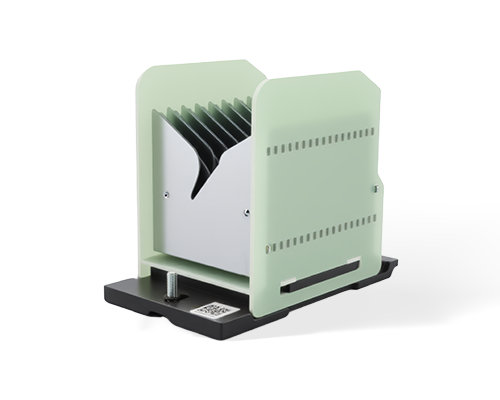
Arc chambers are integral to various circuit breaker types, each designed to meet specific electrical safety and longevity requirements. Understanding the distinct arc chamber technologies used in different breakers helps in selecting the right solution for your application.
MCCBs commonly feature arc chutes composed of multiple splitter plates made from ferromagnetic materials. These plates segment and cool the arc, rapidly extinguishing it. The design often includes blowout coils that generate magnetic fields to drive the arc into the splitter plates, enhancing arc quenching efficiency. Increasing the number of splitter plates and applying blowout coil voltage has been shown to reduce arc duration and contact wear, thereby improving MCCB longevity and electrical safety benefits.
ACBs utilize arc chutes that contain air as the arc-quenching medium. Their arc chambers often incorporate magnetic blowout coils and multi-slit plates to elongate and divide the arc, facilitating rapid cooling. The air medium is readily available and environmentally friendly, making ACBs suitable for medium-voltage applications. Their arc chamber design ensures effective arc management, minimizing thermal stress on breaker components and enhancing performance.
Vacuum circuit breakers operate with arc chambers that maintain a high vacuum environment. This vacuum acts both as the arc extinguishing and insulation medium. The absence of gas molecules prevents arc sustenance, leading to rapid arc extinction within milliseconds. Vacuum arc chambers typically include robust contacts made from copper-chromium alloys to withstand electrical and thermal stresses. Their design supports frequent operations with minimal maintenance, offering exceptional reliability and lifespan improvements.
SF6 circuit breakers use sulfur hexafluoride gas within their arc chambers. SF6’s exceptional dielectric strength and arc-quenching ability allow these chambers to absorb arc energy efficiently and extinguish arcs rapidly. The gas also prevents re-ignition by providing a strong insulating barrier. SF6 arc chambers are compact and highly effective for high-voltage applications, though environmental considerations require careful handling and gas recovery systems.
| Arc Chamber Type | Key Features | Applications | Benefits |
|---|---|---|---|
| MCCB | Multiple splitter plates, magnetic blowout coils | Low to medium voltage systems | Cost-effective, reliable arc quenching, enhanced breaker longevity |
| ACB | Air medium, magnetic blowout, multi-slit plates | Medium voltage, industrial use | Environmentally friendly, easy maintenance, effective arc management |
| Vacuum | High vacuum environment, copper-chromium contacts | Medium to high voltage | Rapid arc extinction, minimal wear, low maintenance |
| SF6 Gas | SF6 gas as insulating and quenching medium | High voltage, compact installations | Superior arc quenching, compact design, high dielectric strength |
Each arc chamber technology offers unique advantages tailored to specific voltage ranges, operational demands, and environmental considerations. Selecting the appropriate arc chamber for your circuit breaker ensures optimal electrical protection, safety, and longevity.
Tip: When choosing circuit breakers, consider the arc chamber technology carefully—it directly impacts safety, maintenance needs, and lifespan in your electrical system.
Arc chambers are essential for circuit breakers, and recent design innovations significantly enhance their safety and longevity. These improvements focus on materials, arc control techniques, geometry, and smart monitoring to optimize arc quenching and protect electrical systems.
Modern arc chambers utilize high-performance materials that withstand intense heat and electrical stress. Advanced thermoplastics and ceramic composites offer superior dielectric strength and thermal resistance. These materials help absorb and dissipate arc energy quickly, reducing damage to chamber components. For example, Polykeram ceramic composites provide excellent thermal shock resistance, improving arc chamber durability without increasing size.
To enhance arc extinguishing, designers integrate magnetic blowout coils and air-blast systems within arc chambers. Magnetic blowout uses electromagnetic forces to elongate and drive the arc into splitter plates, increasing arc voltage and facilitating faster quenching. Air-blast techniques employ compressed air to cool and disrupt the arc plasma efficiently. Combining these methods improves arc control, minimizes contact wear, and reduces thermal stress on the breaker.
Splitter plates are critical in dividing the arc into smaller segments, which are easier to cool and extinguish. Innovations include increasing the number of splitter plates and refining their spacing and alignment. This elongates the arc path, raising arc voltage and enhancing cooling efficiency. Computational models show that increasing splitter plates from four to ten can significantly speed up arc extinction, directly improving circuit breaker performance and lifespan.
Smart sensors embedded within arc chambers provide real-time data on arc conditions, temperature, and electrical parameters. These sensors enable predictive maintenance by detecting early signs of wear or degradation. Real-time monitoring helps avoid unexpected failures and optimizes maintenance schedules, extending the service life of circuit breakers. Integration with digital control systems also supports advanced diagnostics and system automation.
Tip: Investing in circuit breakers with advanced arc chamber designs and smart monitoring capabilities ensures enhanced electrical protection, reduces downtime, and extends equipment lifespan.
Proper maintenance and inspection of arc chambers are essential to ensure their optimal performance and extend the lifespan of circuit breakers. Arc chambers manage the intense electric arcs that occur during circuit interruption, and their condition directly influences arc quenching efficiency, electrical safety benefits, and overall circuit breaker longevity.
Regular inspections should be scheduled to check the physical condition of the arc chamber components. Key steps include:
Visual examination for cracks, wear, or deformation on splitter plates and insulating parts.
Checking alignment of arc chutes and ensuring no loose or displaced components.
Assessing cleanliness by removing dust, carbon deposits, and debris that can hinder arc cooling and extinguishing.
Verifying integrity of magnetic blowout coils and ensuring proper connection and voltage application.
These inspections help detect early signs of degradation before they impact performance.
Over time, arc chambers can show signs of wear such as:
Erosion or pitting on splitter plates due to repeated arc exposure.
Discoloration or carbon buildup that reduces insulating effectiveness.
Mechanical damage like cracks or warping from thermal stress.
Loose or corroded connections in magnetic components.
Identifying these signs early can prevent costly failures and maintain arc chamber safety features.
Cleaning arc chambers involves using non-abrasive methods and appropriate solvents to avoid damaging sensitive materials. Replacement of components should follow manufacturer recommendations, particularly for:
Splitter plates that have lost structural integrity.
Insulating parts showing cracks or surface degradation.
Magnetic blowout coils with compromised performance.
Replacing worn parts promptly ensures consistent arc control and electrical protection.
Testing helps verify the arc chamber’s condition and includes:
Electrical resistance measurements to detect insulation breakdown.
Dielectric strength tests to confirm insulating material performance.
Functional tests of magnetic blowout coils for proper arc elongation.
Mechanical operation tests to ensure smooth movement of contacts and arc chutes.
Routine testing supports preventive maintenance and performance enhancement.
Preventive maintenance strategies include:
Scheduling inspections and cleaning based on breaker operation frequency and environmental conditions.
Maintaining detailed records of maintenance activities and component replacements.
Training personnel on proper handling and maintenance techniques.
Using predictive maintenance tools, such as smart sensors, to monitor arc chamber health in real time.
Implementing these practices reduces downtime, repair costs, and enhances arc chambers’ lifespan improvement.
Tip: Establish a regular maintenance schedule for arc chambers, combining visual inspections, cleaning, and functional testing to maximize circuit breaker reliability and safety.
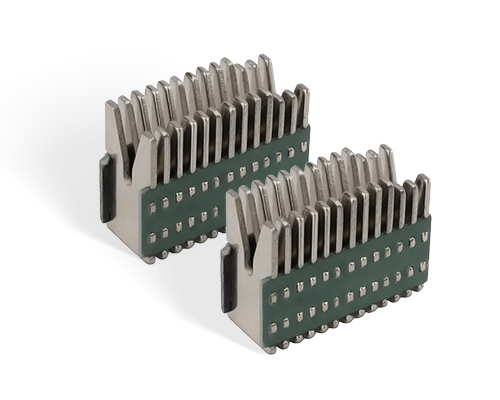
Arc chambers are fundamental to circuit breaker reliability. Their condition and design directly influence how well a breaker performs and how long it lasts. Understanding the statistical correlation between arc chamber health and breaker failures can help optimize maintenance and reduce downtime.
Studies show that deteriorating arc chambers significantly increase the risk of breaker failure. Worn splitter plates, damaged insulating materials, or degraded magnetic blowout coils reduce arc quenching efficiency. This inefficiency leads to prolonged arcing, which accelerates contact erosion and increases thermal stress on internal components. For example, circuit breakers with poorly maintained arc chambers have up to 40% higher failure rates during fault interruptions compared to those with well-maintained chambers. This correlation highlights the importance of regular inspections and timely repairs to prevent unexpected outages.
Advanced arc chamber designs enhance arc control, leading to faster arc extinction and less contact wear. This improvement translates into longer intervals between maintenance and fewer breakdowns. By reducing the frequency of repairs, organizations save on labor and replacement parts costs. Additionally, minimizing downtime improves operational continuity, which is critical in industries like manufacturing and power utilities. For instance, upgrading to arc chambers with optimized splitter plate geometry and high-quality materials can extend circuit breaker lifespan by 15-20%, offering substantial cost savings over time.
Several real-world cases illustrate the impact of arc chamber technology on breaker longevity. In one industrial plant, replacing conventional arc chambers with advanced ceramic-composite designs reduced breaker failures by 30% over two years. Another utility company reported that integrating smart arc chamber sensors enabled predictive maintenance, cutting unplanned outages by nearly half. These examples confirm that investing in superior arc chamber technology not only boosts safety but also enhances performance and reliability.
Tip: Prioritize regular arc chamber condition assessments and consider upgrading to advanced designs to significantly improve circuit breaker reliability and reduce costly downtime.
Arc chambers are evolving rapidly, playing a key role in how circuit breakers improve electrical safety and longevity. As electrical systems become more complex, the demand for arc chambers that can handle higher thermal and electrical stresses grows. Let’s explore the future trends shaping arc chamber technology.
New materials are being developed to withstand extreme temperatures and electrical stresses better than traditional composites. High-temperature thermoplastics and ceramic composites with superior dielectric strength are gaining popularity. These materials help arc chambers dissipate heat faster, reducing damage and extending circuit breaker lifespan. For example, Polykeram ceramic composites offer excellent thermal shock resistance, enabling more compact and durable arc chamber designs.
The integration of smart sensors within arc chambers is a game-changer. These sensors monitor arc conditions in real time, detecting temperature spikes, wear, and electrical anomalies. This data supports predictive maintenance, allowing operators to schedule repairs before failures occur, minimizing downtime and repair costs. Smart arc chambers can communicate with control systems, enhancing overall electrical protection and performance enhancement.
Environmental concerns are driving innovations in eco-friendly manufacturing processes. Manufacturers focus on recyclable materials and reducing hazardous substances in arc chamber production. Green design principles aim to lower carbon footprints and resource consumption without compromising safety or performance. This approach aligns with broader industry goals for sustainable electrical infrastructure.
As renewable energy sources and high-voltage systems become more prevalent, arc chambers must adapt. Designs are being optimized to handle increased voltage levels and variable load conditions typical of solar and wind power systems. Enhanced arc quenching capabilities ensure reliable operation, protecting sensitive equipment from faults. Compact, high-performance arc chambers are essential for integrating renewable energy into existing grids safely.
Tip: When selecting circuit breakers, consider those with advanced arc chamber materials and smart diagnostic features to boost safety, extend lifespan, and support sustainable operations.
Advanced arc chambers significantly enhance circuit breaker safety and lifespan by improving arc quenching and reducing wear. Proper selection and regular maintenance ensure reliable performance and prevent costly failures. Future arc chamber technologies focus on smart diagnostics and sustainable materials to meet evolving electrical demands. HAIPART offers innovative arc chamber solutions designed to maximize protection and durability, providing exceptional value for modern electrical systems. Trust HAIPART for reliable products that extend circuit breaker longevity and safety.
A: Arc chambers are specialized components that manage and extinguish electric arcs formed during circuit interruption. By using splitter plates and magnetic blowout coils, arc chambers enhance arc quenching efficiency, reducing thermal stress and preventing equipment damage, thus significantly improving circuit breaker safety.
A: Arc chambers reduce contact wear and thermal damage by quickly extinguishing arcs and controlling arc paths. This effective arc management lowers maintenance needs and extends the lifespan of circuit breaker components, enhancing overall longevity.
A: Features like multiple splitter plates, optimized geometry, and magnetic blowout coils increase arc voltage and cooling efficiency. These arc chamber safety features minimize arc duration and prevent re-ignition, improving electrical protection and breaker reliability.
A: Regular inspection for wear, cleaning of carbon deposits, and testing magnetic blowout coils are essential maintenance tips. Proper upkeep ensures arc chambers maintain their arc quenching performance, supporting circuit breaker lifespan improvement.
A: Yes, arc chambers vary by breaker type—MCCBs use ferromagnetic splitter plates, ACBs use air mediums, vacuum breakers operate in a vacuum, and SF6 breakers use sulfur hexafluoride gas. Each design offers unique arc chambers performance enhancement suited to specific applications.
Arc fault circuit interrupter (AFCI) breakers are designed to detect dangerous arcing conditions that traditional breakers and fuses cannot see. Their main benefits include:
Early detection of wiring faults such as damaged insulation, loose terminations, or pinched cords that produce series or parallel arcing.
Fire risk reduction, because they trip before an arc can ignite surrounding materials.
Protection beyond simple overcurrent, complementing thermal-magnetic breakers and enhancing overall system safety.
In the context of arc chambers, AFCIs reduce the number of severe fault events that the breaker has to interrupt, indirectly improving breaker longevity and reducing stress on contacts and arc chutes.
AFCI breakers are generally designed for a similar service life to standard circuit breakers, often in the range of 15–20 years under normal residential duty. Their actual life depends on:
Number of operations (both normal switching and trips)
Quality of internal contacts and arc chambers
Environmental factors such as temperature, humidity, and dust
Frequency of arc-fault conditions that must be interrupted
Well-designed arc chambers and robust contact materials help AFCIs withstand repeated arc interruptions without excessive wear, extending their practical lifespan.
When a circuit breaker opens under load or fault current, an electric arc is unavoidable as the contacts separate. The “need” of the arc is not functional—it is a physical consequence of interrupting current in a conductive medium. The real engineering challenge is:
Controlling, stretching, and cooling the arc so that it extinguishes quickly
Preventing re-ignition by restoring dielectric strength between contacts
Arc chambers, splitter plates, and blowout systems are used to manage this inevitable arc safely. Without proper arc control, the breaker could fail catastrophically, weld contacts, or damage surrounding equipment.
Circuit breakers use several complementary arc-control methods:
Arc chutes and splitter plates: Divide the arc into many smaller arcs, increasing total arc voltage and cooling surface area.
Magnetic blowout: Use magnetic fields (from coils or current paths) to drive the arc into the arc chamber away from contacts.
High-dielectric media: Such as air at high speed, vacuum, or gases like SF₆, to increase dielectric recovery after current zero.
Contact geometry: Tip shapes, gaps, and motion profiles that lengthen the arc path and control arc movement.
AFCI breakers provide a significant safety improvement because they detect arc-fault signatures that conventional breakers ignore. They help prevent electrical fires caused by:
Damaged insulation
Loose or deteriorated connections
Pinched or crushed cables
Aging wiring and cords
By stopping arc faults early, AFCIs greatly reduce ignition risk and enhance overall electrical safety.
AFCI breakers cannot prevent every electrical fire, but they dramatically reduce the likelihood of fires caused by:
Series and parallel arcing
Wiring degradation
Damaged cords and connections
By interrupting hazardous arcs before they produce enough heat to ignite combustibles, AFCIs serve as an effective fire-prevention technology.
Arc faults are typically triggered by:
Cracked or damaged insulation
Loose terminals or conductor joints
Nails, screws, or staples penetrating cables
Pinched appliance cords
Aging or heat-damaged wiring
These conditions create gaps where current jumps through air, producing arcs with extremely high temperatures.
Yes. Modern AFCIs offer major improvements:
Better waveform recognition algorithms
Fewer nuisance trips
Combination-type protection for both series and parallel arcs
More durable contacts and arc chambers
Current AFCIs are more reliable, more selective, and more compatible with modern electronics than earlier generations.
AFCIs are necessary when there is a meaningful risk of arc-fault-induced fires, especially in:
Older buildings
Installations with concealed wiring
Areas with flexible cords or movable equipment
From an engineering perspective, AFCIs reduce the number of severe arc events that internal arc chambers must extinguish, improving both safety and breaker longevity.
You need AFCIs when:
Fire risk from wiring conditions is high
Code requires them
You want protection beyond simple overcurrent detection
AFCIs work together with arc chambers: AFCIs detect hazardous arcs, while the arc chamber safely extinguishes arcs during interruption.
Neither device is “better”; they protect against different hazards:
GFCI: Protects people from shock by detecting ground leakage
AFCI: Protects buildings from fire by detecting arc faults
Many installations use both technologies (dual-function breakers) for complete protection.
Yes—AFCI breakers are generally considered worth it because they:
Substantially reduce fire risk
Protect aging or concealed wiring
Add a layer of safety beyond standard overcurrent protection
They also reduce high-energy arc events, which helps preserve the internal arc chamber and breaker components.


