
Views: 0 Author: Site Editor Publish Time: 2025-11-18 Origin: Site
Ever wondered how electrical systems prevent dangerous short circuits instantly? Molded Case Circuit Breakers (MCCBs) rely on trip units for safety. The Magnetic Trip Unit plays a crucial role in fast fault detection. In this post, you’ll learn how magnetic trip units work and why they are vital for electrical protection.
The magnetic trip unit in a Molded Case Circuit Breaker (MCCB) provides rapid protection against short circuits. It works on the principle of electromagnetism. When a sudden surge of high current flows through the breaker—much higher than normal operating current—the magnetic field generated by this current activates the trip mechanism instantly. This fast response helps prevent damage to equipment and wiring.
A typical magnetic trip unit includes:
Solenoid Coil: Carries the circuit current and generates a magnetic field proportional to the current.
Plunger or Armature: A movable metal piece attracted by the magnetic field when current exceeds a set threshold.
Trip Bar: Connected to the plunger, it releases the operating mechanism to open the breaker contacts.
Adjustable Settings: Some units allow calibration of the trip current threshold to suit specific applications.
During normal operation, the magnetic field created by the current is too weak to move the plunger. When a short circuit occurs, current spikes sharply, producing a strong magnetic field. This field pulls the plunger quickly, triggering the trip bar to open the contacts and interrupt the circuit almost instantaneously.
The magnetic trip unit is designed for immediate action. Unlike thermal trips, which respond over time, the magnetic trip reacts within milliseconds to high fault currents. This instantaneous tripping prevents excessive energy from flowing through the circuit, reducing risks of fire and equipment damage.
Many MCCBs come with adjustable magnetic trip settings. This allows technicians to set the trip threshold based on the system's requirements. For example, a motor circuit might require a higher trip level to tolerate inrush current without nuisance tripping. Proper calibration ensures selective coordination with other protective devices, maintaining system stability.
| Feature | Magnetic Trip Unit | Thermal Trip Unit |
|---|---|---|
| Protection Type | Short circuit (high current spikes) | Overload (moderate, sustained currents) |
| Response Time | Instantaneous (milliseconds) | Time-delayed (seconds to minutes) |
| Operating Principle | Electromagnetic force | Heat-induced bending of bimetallic strip |
| Adjustability | Usually adjustable | Fixed or limited adjustability |
| Sensitivity to Ambient Temperature | Minimal | Sensitive |
Both units work together in thermal-magnetic MCCBs to provide comprehensive protection.
Magnetic trip settings typically range from 3 to 10 times the rated current, depending on the MCCB type:
Type B: Trips at 3–5 × rated current, suitable for resistive loads.
Type C: Trips at 5–10 × rated current, common for inductive loads like motors.
Type D: Trips at 10–20 × rated current, used for high inrush current equipment.
Adjusting these thresholds helps avoid nuisance tripping during normal transient conditions.
Tip: Always calibrate the magnetic trip unit to the specific load characteristics to ensure fast, reliable short-circuit protection without unnecessary interruptions.

The thermal trip unit in an MCCB protects against overloads—situations where current exceeds safe limits for a longer time. It uses a bimetallic strip made of two metals with different expansion rates. When current flows above the rated value, the strip heats and bends. If the overload persists, this bending activates the trip mechanism, opening the circuit to prevent overheating and damage. The thermal trip has a built-in time delay, allowing brief surges like motor starts without tripping unnecessarily.
MCCBs combine thermal and magnetic trip units for full-range protection. The thermal unit handles slow, sustained overloads, while the magnetic unit responds instantly to short circuits. During normal operation, the thermal trip monitors current and trips if overloads last too long. For sudden, extreme current spikes, the magnetic trip acts within milliseconds, disconnecting the circuit immediately. This teamwork ensures both gradual and instantaneous faults are covered.
Using both trip units provides comprehensive safety. Thermal trips prevent damage from prolonged overcurrent, protecting wiring and equipment from heat stress. Magnetic trips quickly isolate dangerous short circuits, minimizing fire risk and equipment failure. Together, they reduce downtime by avoiding unnecessary trips and ensuring fast fault clearance. This dual protection is cost-effective and reliable, making thermal-magnetic MCCBs the industry standard.
Magnetic trip units alone only detect high current surges, ignoring moderate overloads. This means they won’t protect equipment from overheating during long-lasting overloads. Without thermal protection, circuits could sustain damage before the magnetic trip activates. Also, magnetic trips are less adjustable for different load types, which can cause nuisance tripping in sensitive systems.
Magnetic-only MCCBs are ideal for circuits where overload protection is handled separately, such as motor circuit protectors paired with thermal overload relays. They provide fast short-circuit interruption without nuisance trips from motor inrush currents. These breakers are common in motor control centers and specialized industrial applications requiring instantaneous fault clearing.
Tip: When selecting MCCBs, ensure thermal and magnetic trip units are properly coordinated and calibrated to your system’s load characteristics for optimal protection and minimal downtime.
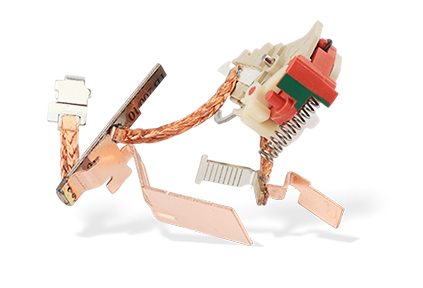
The most common magnetic trip units in MCCBs operate on a simple electromagnetic principle. They use a solenoid coil that carries the circuit current. When a sudden surge, like a short circuit, occurs, the coil generates a strong magnetic field. This magnetic force quickly pulls a plunger or armature, triggering the trip mechanism to open the breaker contacts instantly. These standard electromagnetic magnetic trip units are reliable, cost-effective, and widely used for short-circuit protection in various electrical systems.
Some MCCBs are designed with magnetic trip units only, without the thermal element. These magnetic-only MCCBs provide instantaneous trip action for high fault currents but do not protect against overloads. They are ideal in applications where overload protection is handled separately, such as motor control centers paired with thermal overload relays. By focusing solely on short-circuit protection, magnetic-only MCCBs avoid nuisance trips caused by motor starting currents or transient surges, making them perfect for motor circuit protection and specialized industrial uses.
Advancements in technology have led to electronic magnetic trip units that use sensors and microprocessors instead of purely electromagnetic components. These electronic units offer enhanced accuracy, adjustable trip settings, and additional protective functions such as ground fault detection. They can monitor current waveforms precisely, reducing false trips and improving coordination with other protective devices. Electronic magnetic trip units also enable communication and remote monitoring, supporting modern smart grid requirements and complex industrial systems.
Magnetic trip units come with either fixed or adjustable trip settings. Fixed magnetic trips have a predetermined current threshold set by the manufacturer, offering simplicity and reliability for standard applications. Adjustable magnetic trip units allow technicians to fine-tune the trip current according to the load characteristics and system requirements. This flexibility helps prevent nuisance tripping and ensures selective coordination with upstream or downstream protection devices, which is crucial in complex electrical networks.
The design of the magnetic trip unit significantly affects the MCCB’s performance in terms of response time, sensitivity, and reliability. A well-designed magnetic trip unit provides rapid and consistent tripping for short circuits, minimizing equipment damage and fire risks. Innovations such as improved solenoid materials, optimized plunger mechanisms, and enhanced calibration methods contribute to better trip unit durability and accuracy. Moreover, integrating electronic controls can improve adaptability and diagnostics, offering operators greater confidence in system protection.
Tip: When selecting an MCCB, consider whether a standard electromagnetic, magnetic-only, or electronic magnetic trip unit best suits your application’s protection needs and adjustability requirements for optimal short-circuit protection.
One of the primary benefits of a magnetic trip unit is its ability to react almost instantly to short-circuit faults. When a sudden surge of high current occurs, the magnetic trip unit detects this spike and trips the breaker within milliseconds. This rapid response prevents excessive current from flowing through the circuit, protecting wiring and connected equipment from severe damage.
By interrupting fault currents quickly, magnetic trip units help minimize the risk of equipment damage and electrical fires. Short circuits can generate intense heat and sparks, which may cause insulation failure or ignite surrounding materials. The magnetic trip unit’s fast action reduces the duration of these dangerous conditions, enhancing overall system safety.
Magnetic trip units contribute to system reliability by ensuring faults are cleared swiftly. This quick isolation of faulted sections helps reduce downtime, as equipment and circuits can be reset and restored faster after a trip. Reliable short-circuit protection also means fewer catastrophic failures, lowering maintenance and replacement costs.
In industrial and commercial environments, where high-power equipment and complex electrical systems are common, magnetic trip units provide essential protection. Their ability to handle high fault currents and deliver instantaneous tripping helps maintain safe operating conditions. This protection mechanism safeguards personnel and assets, supporting compliance with safety standards.
Tip: Regularly verify and calibrate magnetic trip unit settings to ensure fast, accurate short-circuit protection tailored to your system’s specific fault current levels and load characteristics.
Choosing the right magnetic trip unit settings starts with understanding your electrical system’s characteristics. Consider the normal operating current, the nature of the load, and potential fault currents. For example, motors often have high inrush currents at startup, which can cause nuisance trips if the magnetic trip setting is too low. Therefore, setting the magnetic trip threshold above the maximum expected inrush current is essential to avoid unnecessary interruptions while still providing short-circuit protection.
Magnetic trip units must work in harmony with upstream and downstream protective devices. Proper coordination ensures that only the breaker closest to the fault trips, minimizing system downtime and maintaining power to unaffected areas. This selective coordination involves setting the magnetic trip units’ instantaneous trip levels so they do not overlap with other devices’ settings. For example, an MCCB’s magnetic trip setting should be higher than the trip threshold of branch circuit breakers it protects but lower than the upstream main breaker’s setting.
Magnetic trip units often allow adjustable trip settings to tailor protection to specific load types. Typical settings range from 3 to 10 times the rated current, depending on the MCCB type (B, C, D, etc.). For resistive loads, a lower setting (Type B) is suitable, while inductive loads like motors may require higher settings (Type C or D) to tolerate inrush currents. Adjusting these thresholds helps prevent nuisance tripping while ensuring rapid response to actual short-circuit events.
| MCCB Type | Typical Magnetic Trip Setting (× Rated Current) | Application Example |
|---|---|---|
| Type B | 3 – 5 | Resistive loads, lighting circuits |
| Type C | 5 – 10 | Small motors, transformers |
| Type D | 10 – 20 | Large motors, high inrush loads |
Regular testing of magnetic trip units is vital for reliable protection. Testing involves simulating fault currents to verify that the magnetic trip activates at the correct threshold and within the expected time frame. Maintenance tasks include cleaning contacts, inspecting the solenoid coil for damage, and ensuring mechanical parts move freely. Any signs of wear or malfunction should prompt immediate repair or replacement to maintain system safety.
Magnetic trip units can experience issues such as nuisance tripping, failure to trip, or delayed tripping. Nuisance trips often result from settings that are too low for the load’s inrush current or from transient surges. Failure to trip may be caused by coil damage, mechanical binding, or incorrect calibration. Troubleshooting steps include checking trip settings, inspecting mechanical components, and performing trip tests. Proper calibration and routine maintenance usually prevent these problems.
Tip: Always coordinate magnetic trip settings with your system’s load characteristics and other protective devices to ensure fast, selective, and reliable short-circuit protection without unnecessary interruptions.
Magnetic trip units play a vital role in protecting industrial motors. Motors often experience high inrush currents when starting, which can be mistaken for faults by some protection devices. Magnetic trip units, especially those in magnetic-only MCCBs, are designed to tolerate these inrush currents without tripping unnecessarily. They respond instantly to actual short circuits, quickly disconnecting the motor to prevent damage. This selective response helps maintain motor longevity and reduces costly downtime in manufacturing and processing plants.
In power distribution panels and switchboards, magnetic trip units provide fast short-circuit protection for feeders and branch circuits. Their rapid operation helps isolate faults close to their source, minimizing disruption to the rest of the electrical system. By integrating magnetic trip units within MCCBs, distribution systems achieve reliable protection against high fault currents, ensuring safety and system stability in commercial buildings, data centers, and industrial facilities.
Generators and backup power systems require dependable protection to avoid damage during fault conditions. Magnetic trip units in MCCBs detect sudden high currents, such as those caused by short circuits, and trip the breaker instantly. This fast action protects generators and associated equipment from severe electrical stress. Additionally, magnetic trip units help maintain power quality and reliability by preventing prolonged fault conditions in critical backup systems.
Capacitor banks and other equipment with high inrush currents pose unique challenges for protection devices. Magnetic trip units are well-suited for these applications because they can be calibrated to ignore normal inrush currents while still providing immediate trip response to true short circuits. This balance prevents nuisance tripping, which could disrupt power factor correction and other sensitive processes. As a result, magnetic trip units ensure safe and efficient operation in power factor correction equipment and industrial loads with transient current spikes.
Tip: When applying magnetic trip units, consider the specific load characteristics and fault current levels to set appropriate trip thresholds, ensuring optimal protection and minimal nuisance trips across different industrial applications.
The evolution of magnetic trip units is moving toward electronic and microprocessor-based designs. Unlike traditional electromagnetic units, these advanced trip units use sensors and digital processing to detect fault currents with greater precision. Microprocessor-based trip units offer customizable protection settings, allowing fine-tuning of magnetic trip thresholds and response times. They also provide diagnostic data that helps maintenance teams identify issues before failures occur. This integration enhances the magnetic trip unit’s operation by combining the reliability of electromagnetic mechanisms with the flexibility and intelligence of modern electronics.
Modern magnetic trip units benefit from improved sensor technologies, such as Rogowski coils and Hall-effect sensors. These sensors provide highly accurate current measurements over a wide range, including transient and harmonic currents. Compared to traditional iron-core transformers, these sensors are less affected by saturation and temperature variations. Enhanced sensor accuracy leads to better detection of short circuits and reduces nuisance tripping. It also supports advanced protective functions in electronic trip units, improving the overall magnetic trip unit protection mechanism.
Another key innovation is the integration of communication protocols in magnetic trip units. Many new MCCBs come with trip units that support Modbus, IEC 61850, or other industrial communication standards. This enables remote monitoring of trip unit status, real-time current measurements, and trip event logs. Facility managers can access this data via SCADA systems or cloud platforms, facilitating predictive maintenance and faster fault response. Remote monitoring also allows for firmware updates and configuration changes without physical access, improving operational efficiency and safety.
Adjustability in magnetic trip units is becoming more precise and user-friendly. Programmable magnetic trip units allow engineers to set instantaneous trip currents digitally, adjusting for specific load characteristics and coordination requirements. Some units feature multiple trip curves and delay options, enabling tailored protection for complex industrial systems. This programmability helps avoid nuisance trips caused by motor inrush currents or transient surges while maintaining fast short-circuit interruption. The trend toward software-configurable magnetic trips enhances protection flexibility and system reliability.
Tip: When upgrading MCCBs, consider magnetic trip units with electronic controls and communication features to improve accuracy, enable remote monitoring, and optimize short-circuit protection for modern electrical systems.
Magnetic trip units provide fast, reliable short-circuit protection in MCCBs, preventing equipment damage and fire risks. Proper calibration and coordination with other devices ensure optimal performance and reduce nuisance trips. Regular maintenance keeps the trip units functioning accurately for long-term safety. Selecting the right MCCB with adjustable magnetic trip settings tailored to your load is essential. HAIPART offers advanced MCCBs with precise magnetic trip units, delivering dependable protection and value for diverse industrial applications.
A: The magnetic trip unit in MCCBs provides rapid protection against short circuits by instantly tripping the breaker when high fault currents create a strong magnetic field, preventing equipment damage and fire risks.
A: Magnetic trip units react instantaneously to short-circuit currents using electromagnetic force, while thermal trip units respond slowly to overloads via heat-induced bending of a bimetallic strip. Both are combined in thermal magnetic trip units for comprehensive protection.
A: Magnetic trip units offer fast fault detection, minimize equipment damage and fire hazards, reduce downtime, and enhance safety in industrial and commercial applications by providing reliable short-circuit protection.
A: Adjustable magnetic trip units allow setting trip thresholds based on load characteristics, preventing nuisance tripping from inrush currents while ensuring rapid response to actual short circuits, optimizing coordination with other protective devices.
A: Magnetic trip units are widely used in motor protection, power distribution panels, generator systems, and capacitor banks, especially where fast short-circuit interruption is critical and inrush currents are present.
A magnetic trip is an instantaneous protection mechanism in a circuit breaker that uses electromagnetic force to detect short-circuit currents. When the current spike creates a strong magnetic field, the plunger is pulled, triggering the breaker to open within milliseconds.
The trip unit senses abnormal current conditions—such as overloads or short circuits—and activates the mechanism that opens the breaker contacts. It ensures electrical protection by interrupting the circuit before damage occurs.
In an MCCB, the trip unit can be thermal-magnetic or electronic. It monitors current flow, uses thermal elements for overload protection, and magnetic elements for instantaneous short-circuit detection. Electronic trip units add programmability, precision, and diagnostics.
A magnetic trip refers to the instantaneous short-circuit protection feature in breakers. It activates when a high fault current generates sufficient magnetic force to pull an armature, opening the breaker rapidly to prevent severe damage.
Thermal trip responds slowly to moderate overloads using a bimetal strip, while magnetic trip responds instantly to high short-circuit currents using electromagnetic force. Together they provide full-range protection in thermal-magnetic breakers.
A circuit breaker is the complete protective device, while the trip unit is the internal sensing mechanism that decides when the breaker should open. The breaker contains contacts, arc chute, housing, and mechanism; the trip unit provides detection and triggering.
MCB: Miniature Circuit Breaker for low-current applications, using fixed thermal-magnetic protection.
MCCB: Molded Case Circuit Breaker with higher ratings, adjustable settings, and optional electronic trip units.
ELCB/RCCB: A leakage protection device that detects ground-fault currents.
An MCB (Miniature Circuit Breaker) protects low-voltage circuits from overloads and short circuits. It is used because it offers reliable, resettable protection without the need to replace fuses.
MCBs are used in:
Residential distribution boards
Lighting circuits
Small appliance circuits
Office and commercial branch circuits
They are ideal for low-current, low-fault-level applications.
All MCBs are circuit breakers, but not all circuit breakers are MCBs. MCBs are smaller, fixed-trip, low-capacity breakers, while MCCBs and ACBs cover higher currents, adjustable settings, and industrial applications.
Adjustable MCCBs allow setting:
Thermal setting (Ir): percentage of rated current for overload protection.
Magnetic setting (Im): instantaneous trip level (often 3–10× rated current).
Settings should match load type, inrush current, and coordination requirements.
MCBs protect circuits from damage caused by overloads and short circuits, ensuring safety, preventing fire hazards, and providing quick, resettable protection.
Because MCBs:
Can be reset instead of replaced
Provide more precise tripping
Are safer and easier to operate
Support thermal-magnetic dual protection
MCBs are mainly used in:
Homes and apartments
Small commercial buildings
Lighting circuits
Socket-outlet circuits
You should first identify and turn off the load that caused the fault, inspect for damage or loose wiring, and only then reset the breaker. If it trips again, do not force it—investigate the fault.
Yes, if the breaker trips repeatedly, won’t reset, smells burnt, or you are unsure of the fault source. Repeated tripping may indicate a dangerous wiring or equipment issue.
No. Breakers do not reset automatically. You must manually reset them after resolving the underlying fault.
Push the toggle fully to the OFF position first, then switch it back ON. If it trips again immediately, stop attempting resets and inspect the circuit.
Testing methods include:
Using a continuity tester
Applying a calibrated test current (primary injection test)
Checking mechanical movement and toggle operation
Measuring tripping time with a protection relay tester
Generally every 15–20 years, or sooner if they show:
Frequent nuisance trips
Mechanical wear
Overheating marks
Failure in testing
Steps include:
Identify overloaded circuits
Check for short circuits or faulty appliances
Inspect wiring and loose terminals
Test breaker functionality
If the root cause is unclear or dangerous, call a licensed electrician.


