

Views: 0 Author: Site Editor Publish Time: 2025-11-18 Origin: Site


Electrical circuits face constant risks from overloads that can cause damage or fire. How do we protect them reliably? The thermal trip unit is a key device that prevents circuit overload by using heat-sensitive technology.
In this post, you’ll learn how thermal trip units work, why overload protection matters, and how they compare to other trip mechanisms. Understanding these units helps keep electrical systems safe and efficient.
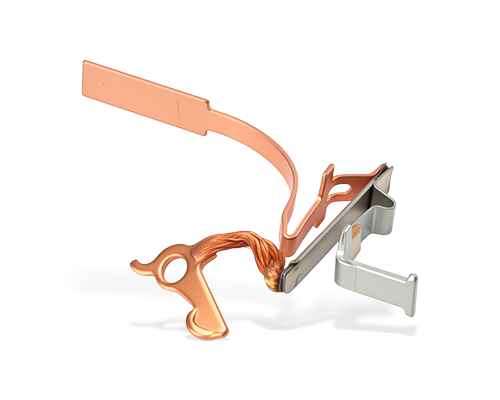
The thermal trip unit relies on a simple yet effective component: the bimetallic strip. This strip consists of two metals with different expansion rates bonded together. When electrical current flows through the circuit, the strip heats up due to resistive heating. If the current exceeds the rated load for a prolonged period, the heat causes the bimetallic strip to bend. This bending action mechanically triggers the trip mechanism, opening the circuit breaker contacts and disconnecting the power. This process is the core of thermal trip unit overload protection.
Overloads cause current to rise above normal operating levels, generating heat in the circuit and within the trip unit itself. The bimetallic strip’s temperature increase is proportional to the square of the current, so higher overloads produce faster heating. The thermal trip unit uses this heat buildup to detect sustained overcurrent conditions, distinguishing them from harmless transient surges like motor starts. This ensures the circuit breaker does not trip unnecessarily during short bursts of high current.
One key feature of the thermal trip unit is its time-delay operation. The unit trips after a delay inversely related to the magnitude of the overload; the greater the current, the faster the trip. This inverse time characteristic helps prevent nuisance trips while still protecting against dangerous prolonged overloads. For example, a slight overload might cause the breaker to trip after several minutes, whereas a heavy overload could cause a trip in seconds. This behavior aligns with the thermal magnetic trip unit operation commonly used in circuit breakers.
Many thermal trip units allow adjustment of the pickup current—the threshold at which the bimetallic strip begins to bend significantly. This adjustability lets technicians tailor the protection to specific circuit requirements, improving coordination with upstream and downstream devices. Settings typically range from 70% to 100% of the breaker’s rated current. Proper adjustment is critical for effective thermal trip unit protection and avoiding nuisance tripping.
Thermal trip units often work alongside magnetic trip units in circuit breakers to provide full-spectrum protection. While the thermal unit handles overloads with a time delay, the magnetic unit responds instantly to short circuits by using an electromagnetic coil to trip the breaker immediately. This combination, known as a thermal magnetic trip function, ensures both slow and fast overcurrent events are addressed effectively.
Thermal trip units come in various configurations, including fixed and adjustable versions. Some are standalone thermal units, while others are integrated into thermal-magnetic or electronic trip units. The choice depends on the application, required sensitivity, and environmental conditions. For example, a thermal overload protection device with adjustable settings is ideal for motor circuits subject to inrush currents.
Thermal trip units offer several advantages:
Reliable protection against prolonged overloads
Time-delay prevents nuisance trips from transient currents
Simple mechanical design ensures durability and easy maintenance
Adjustable settings improve coordination and system safety
Cost-effective solution for many residential, commercial, and industrial applications
They play a crucial role in thermal trip unit electrical safety, safeguarding wiring, equipment, and personnel from the risks of overheating and fire.
Tip: Regularly verify and adjust the thermal trip unit’s pickup current settings to ensure optimal overload protection and prevent unnecessary downtime in your electrical systems.
The thermal trip unit is a key part of many circuit breakers, providing reliable overload protection through a straightforward mechanical design. Understanding its components helps clarify how it functions to keep electrical circuits safe.
At the heart of the thermal trip unit lies the bimetallic strip. This strip consists of two different metals bonded together, each having a distinct coefficient of thermal expansion. Common metal pairs include steel and copper or steel and brass. When current flows, resistive heating causes the strip to warm up. Because the metals expand at different rates, the strip bends in response to temperature changes. This bending action is precisely what triggers the trip mechanism.
The design of the bimetallic strip balances sensitivity and durability. It must bend enough to trip the breaker during sustained overloads but resist bending from brief surges like motor start currents. The thickness, length, and metal choice influence these characteristics.
The bimetallic strip is placed in the current flow path, often connected in series with the circuit it protects. As current passes through, it generates heat proportional to the square of the current (I⊃2;R losses). This heat warms the bimetallic strip, causing it to bend over time when an overload persists.
Some thermal trip units include additional heating elements or coils wrapped around the bimetal strip to increase sensitivity. These coils help preheat the strip, allowing it to respond to lower overload currents, which is especially useful in protecting sensitive equipment.
The bending bimetallic strip is connected mechanically to the circuit breaker's trip bar or latch. As the strip bends beyond a certain point, it pushes or pulls this linkage, releasing the latch that holds the breaker contacts closed.
This mechanical action causes the contacts to separate, interrupting the current flow and protecting the circuit. The simplicity of this mechanism ensures high reliability and ease of maintenance.
Many thermal trip units feature adjustable settings for pickup current—the minimum current at which the trip mechanism activates. This adjustment is often done via a calibrated dial or screw that changes the position or tension of the bimetallic strip or associated components.
Adjustability allows technicians to tailor the thermal trip unit protection to the specific load and environment, improving coordination with other protective devices and reducing nuisance tripping. Calibration ensures the unit trips at the correct current and time delay, complying with safety standards.
Tip: Regularly inspect and calibrate the bimetallic strip and adjustment settings in thermal trip units to maintain accurate overload protection and prevent unexpected trips in your electrical systems.
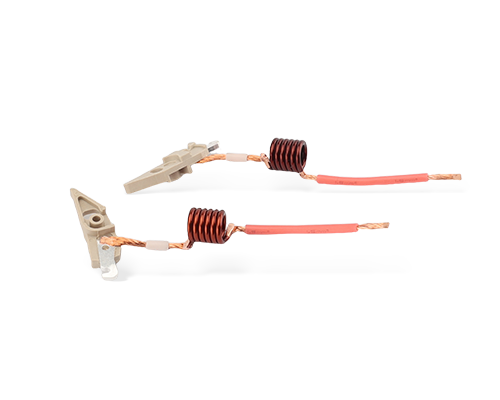
The performance of a thermal trip unit is closely linked to ambient temperature. Since the bimetallic strip bends due to heat generated by current flow, external temperature influences its sensitivity. In warmer environments, the strip may bend sooner, causing the breaker to trip at currents below the nominal pickup. Conversely, in cooler conditions, the strip may require higher currents to trip, potentially delaying protection. Manufacturers provide derating tables to adjust pickup settings based on ambient temperature, ensuring reliable thermal trip unit overload protection. However, wide temperature swings can complicate this calibration, sometimes leading to nuisance tripping or delayed trips.
One advantage of the thermal trip unit is its inherent time delay, which allows it to tolerate transient surges such as motor inrush currents. These surges are high current spikes lasting only milliseconds to seconds during motor startup. The bimetallic strip heats and bends slowly, so momentary surges do not cause immediate tripping. This characteristic makes thermal trip units well-suited for motor protection, distinguishing them from purely magnetic trip units that react instantly. However, prolonged overloads will still cause the thermal trip unit to trip, preventing equipment damage.
Thermal trip units have a defined sensitivity range, often adjustable between 70% to 100% of the rated current. This range allows customization for specific circuit requirements. Yet, very low-level overloads below the minimum pickup may not be detected, posing a risk if such currents persist. Adding heating coils around the bimetallic strip can enhance sensitivity for delicate applications, enabling detection of smaller overloads. Still, this adds complexity and requires careful calibration to avoid false trips.
Nuisance tripping is a common challenge with thermal trip units, often caused by environmental factors or improper settings. High ambient temperatures, frequent transient surges, or incorrect pickup adjustments can lead to unnecessary breaker trips. To mitigate this:
Use manufacturer derating tables to adjust for temperature variations.
Select appropriate pickup current settings considering load characteristics.
Employ thermal magnetic trip units combining thermal and magnetic functions for comprehensive protection.
Consider hydraulic magnetic or electronic trip units in environments with extreme temperature fluctuations or sensitive loads.
Regular thermal trip unit maintenance and thermal trip unit troubleshooting help identify issues early, ensuring reliable operation and electrical safety.
Tip: Always consult ambient temperature derating tables and adjust thermal trip unit settings accordingly to prevent nuisance tripping and maintain effective overload protection.
Thermal-magnetic circuit breakers combine two essential protective mechanisms: the thermal trip unit and the magnetic trip unit. The thermal trip unit handles overload conditions by using a bimetallic strip that heats and bends when current exceeds normal levels for a sustained period. This bending triggers the breaker to trip after a time delay, preventing damage from prolonged overheating.
On the other hand, the magnetic trip unit provides instantaneous protection against short circuits. It uses an electromagnetic coil that generates a strong magnetic field when a sudden surge of current occurs. This magnetic force trips the breaker immediately, cutting off power to avoid catastrophic damage.
Together, these two trip functions form a comprehensive protection system. The thermal trip unit protects against slow, gradual overloads, while the magnetic trip unit responds instantly to dangerous short circuits. This dual-action design ensures electrical safety and reliable operation in various environments.
The thermal trip unit is crucial for overload protection in thermal-magnetic circuit breakers. It monitors the current flowing through the circuit continuously. When the current rises above the rated value but is not high enough to trigger the magnetic trip, the bimetallic strip inside the thermal unit heats up due to resistive heating.
As the strip warms, it bends gradually. If the overload persists, the bending reaches a point where it mechanically releases the breaker’s latch, opening the contacts and disconnecting the circuit. This time-delayed response prevents nuisance trips caused by transient surges, such as motor starting currents, while still protecting wiring and equipment from overheating.
Adjustable settings allow technicians to set the pickup current—the current level at which the thermal unit begins to respond—typically ranging from 70% to 100% of the breaker’s rated current. Proper adjustment is vital for effective thermal trip unit protection and coordination with other protective devices.
The magnetic trip unit complements the thermal unit by providing immediate response to short circuits. It contains an electromagnet energized by the current flowing through the breaker. During a short circuit, the sudden surge generates a strong magnetic field that rapidly pulls a plunger or armature.
This action trips the breaker within milliseconds, opening the contacts and interrupting the dangerous fault current. Unlike the thermal trip, the magnetic trip does not have a time delay, ensuring fast disconnection and minimizing damage.
The instantaneous trip threshold is typically set as a multiple of the breaker's rated current, depending on the breaker type (e.g., B, C, or D curves). This helps prevent unwanted trips during normal transient conditions while ensuring safety during faults.
After a thermal-magnetic breaker trips, it can be reset manually once the fault condition is cleared and the bimetallic strip cools down. The cooling causes the strip to straighten, allowing the latch to engage again and the breaker contacts to close.
Regular maintenance is important to ensure the reliable operation of thermal-magnetic trip units. This includes:
Checking and adjusting pickup current settings for proper coordination.
Inspecting the bimetallic strip and mechanical linkages for wear or damage.
Testing the magnetic trip function to verify instantaneous response.
Cleaning contacts and arc chutes to maintain effective arc extinguishing.
Proper maintenance and troubleshooting help prevent nuisance tripping and ensure the breaker performs its thermal trip unit electrical safety function effectively.
Tip: Always allow the thermal trip unit’s bimetallic strip to cool completely before resetting the breaker to avoid premature re-tripping and ensure reliable overload protection.
Thermal trip units are widely employed across residential, commercial, and industrial electrical circuits due to their reliable overload protection. In homes, they safeguard wiring and appliances by preventing prolonged current overloads that could cause overheating or fires. Commercial buildings benefit from thermal trip unit protection by ensuring lighting, HVAC, and office equipment operate safely without nuisance trips caused by transient surges. Industrial environments, where heavy machinery and motors are common, rely heavily on thermal trip units integrated into circuit breakers to protect motors and control panels from sustained overloads. Their inherent time-delay characteristic allows them to tolerate temporary surges like motor starting currents, making them ideal for such applications.
Thermal trip units excel in protecting motors and sensitive electrical equipment. Motors often experience high inrush currents on startup, which can falsely trigger instantaneous trip devices. The thermal trip unit’s bimetallic strip heats gradually, providing a built-in delay that prevents nuisance tripping during these transient events. This makes thermal overload protection devices a preferred choice for motor circuits, ensuring equipment longevity and minimizing downtime. Additionally, thermal trip units can be adjusted to match specific motor load requirements, enhancing protection accuracy. For sensitive equipment, the gentle and time-delayed response helps avoid unnecessary interruptions while still preventing damage from genuine overloads.
One of the main advantages of thermal trip units is their cost-effectiveness combined with dependable performance. Their simple mechanical design, centered around the bimetallic strip, requires minimal maintenance and offers long service life. Unlike electronic trip units, thermal trip units do not rely on complex electronics, making them less susceptible to environmental factors such as electrical noise or temperature extremes (within limits). This reliability makes them suitable for a variety of environments, from residential panels to rugged industrial settings. Moreover, thermal trip units are generally more affordable than electronic trip units, making them an economical choice for many applications where basic overload protection suffices.
While electronic trip units offer advanced features like programmable settings, communication capabilities, and precise trip curves, thermal trip units remain relevant for many applications. Thermal trip units are preferred when simplicity, cost savings, and proven reliability are priorities. They are particularly suited for circuits with stable load profiles and where transient overloads like motor starts are common. Electronic trip units, however, are better for complex systems requiring detailed monitoring, adjustable trip parameters, and integration with digital control systems. Choosing between thermal and electronic trip units depends on the application’s complexity, budget, and protection requirements. For straightforward overload protection in residential or industrial circuits, thermal trip units remain a trusted solution.
Tip: When selecting thermal trip units for motor protection, consider their adjustable pickup settings to balance sensitivity and avoid nuisance tripping during motor startups.
Selecting the right pickup current setting for a thermal trip unit is crucial for effective overload protection. The pickup current is the threshold at which the bimetallic strip begins to bend and eventually trips the breaker if the overload persists. Typically, this setting ranges from 70% to 100% of the circuit breaker's rated current. Setting it too low can cause nuisance tripping, especially during normal transient events like motor startups. Conversely, setting it too high may delay tripping, risking damage to wiring and equipment.
To determine the correct pickup setting, consider the continuous load current and any expected temporary surges. For example, motor circuits often require a setting near the rated current to accommodate inrush currents without tripping unnecessarily. Using manufacturer guidelines helps ensure the pickup current matches the specific application, maintaining the balance between safety and operational continuity.
Proper coordination between thermal trip units and other protective devices in the electrical distribution system is essential. The goal is to isolate faults selectively, minimizing system-wide outages. The thermal trip unit’s pickup and time-delay settings should be coordinated with upstream breakers and downstream fuses or breakers to ensure only the device closest to the fault trips.
This coordination involves analyzing the time-current characteristic curves of all protective devices. The thermal trip unit’s inverse time tripping allows for coordination by providing a delay that ensures downstream devices trip first. Adjusting pickup currents and time delays accordingly helps maintain system reliability and reduces downtime.
Ambient temperature significantly affects thermal trip unit performance. Since the bimetallic strip’s bending depends on heat, higher ambient temperatures can cause earlier tripping, while lower temperatures may delay it. Manufacturers provide derating tables that indicate how pickup current settings should be adjusted based on environmental temperatures.
For instance, a thermal trip unit rated at 30°C may trip prematurely in a 50°C environment unless the pickup current is adjusted upward. Conversely, in colder environments, lowering the pickup current may be necessary to maintain protection sensitivity. Applying these derating factors ensures the thermal trip unit provides consistent overload protection regardless of ambient temperature fluctuations.
Install in Proper Orientation: Mount the thermal trip unit as recommended to ensure accurate thermal response. Improper orientation can affect heat dissipation and trip timing.
Verify Settings Post-Installation: After setting the pickup current, test the breaker under controlled conditions to confirm proper operation. Use test equipment or simulate overloads carefully.
Regular Maintenance: Periodically inspect and calibrate the thermal trip unit to compensate for aging components or environmental changes. Maintenance helps prevent nuisance tripping and ensures safety.
Document Settings: Keep records of all settings and adjustments for future reference and troubleshooting.
By carefully selecting and adjusting the thermal trip unit, you enhance the protection of electrical circuits, reduce downtime, and maintain system reliability.
Tip: Always consult manufacturer derating tables and coordinate pickup settings with other protective devices to optimize thermal trip unit performance and prevent unnecessary trips.
Thermal trip units provide reliable overload protection by using a bimetallic strip to detect sustained overcurrents. Their time-delay feature prevents nuisance trips during transient surges, making them ideal for motors and sensitive equipment. Proper adjustment and coordination with other devices maximize safety and system reliability. Advances in technology continue to enhance their performance and adaptability. HAIPART offers high-quality thermal trip units that combine durability, precision, and cost-effectiveness to safeguard electrical circuits efficiently. Trust HAIPART for dependable overload protection solutions.
A: A Thermal Trip Unit uses a bimetallic strip that bends when heated by excessive current, triggering the circuit breaker to trip. This provides reliable thermal trip unit overload protection by disconnecting power during prolonged overloads, preventing damage and ensuring thermal trip unit electrical safety.
A: Thermal trip units provide time-delayed overload protection, while magnetic trip units react instantly to short circuits. Together, they form a thermal magnetic trip function, offering comprehensive circuit breaker protection against both slow and fast overcurrent events.
A: Adjusting the pickup current tailors the thermal trip unit’s sensitivity to specific circuit loads, preventing nuisance tripping and ensuring effective thermal overload protection. Proper settings coordinate with other devices for optimal safety.
A: Troubleshooting involves inspecting the bimetallic strip, verifying pickup settings, checking for ambient temperature effects, and ensuring mechanical linkages function properly. Regular thermal trip unit maintenance helps prevent nuisance trips and ensures reliable operation.
A: Ambient temperature influences the bimetallic strip’s bending, potentially causing earlier or delayed trips. Using manufacturer derating tables adjusts pickup settings to maintain consistent thermal trip unit overload protection across temperature variations.
The trip unit detects abnormal current conditions—such as overloads or short circuits—and triggers the breaker to disconnect the circuit. It ensures electrical protection by preventing overheating, equipment damage, and fire risks.
A thermal trip mechanism uses a bimetallic strip that bends when heated by sustained overcurrent. This bending releases the trip latch and opens the breaker, providing time-delayed overload protection.
Overloads are prevented by devices such as thermal trip units, thermal-magnetic circuit breakers, fuses, and thermal overload relays. These devices disconnect the circuit when current exceeds safe levels for too long.
A thermal overload protector is a device that uses heat-sensitive elements—such as bimetallic strips—to detect prolonged overcurrent and trip the circuit, preventing overheating and equipment damage.
Thermal trip units, thermal-magnetic circuit breakers, thermal overload relays, and fuses are commonly used to protect electrical systems from overload by disconnecting the circuit before damage occurs.
A circuit breaker is the complete protective device that interrupts the current.
A trip unit is the internal mechanism that senses overloads or short circuits and triggers the breaker to open.
Thermal trip responds to sustained overload using heat and is time-delayed.
Magnetic trip reacts instantly to short-circuit spikes using electromagnetic force.
They work together in thermal-magnetic breakers for full protection.
A thermal overload trips when excessive current heats the bimetallic strip enough to bend and activate the breaker’s trip mechanism, cutting off the circuit.
A thermal trip mechanism provides overload protection—disconnecting the circuit during excessive but gradual increases in current.
A thermal trip is a protection method that uses heat-activated bimetallic strips to detect overloads and trip a circuit breaker.
Use protection devices such as thermal trip units, circuit breakers, fuses, or overload relays. Also ensure proper circuit design, correct wire sizing, and balanced loads.
Circuit breakers with thermal trip units or thermal overload relays protect against electrical overload by disconnecting unsafe currents.
Thermal protection works by converting excess current into heat. When the temperature rises beyond the safe limit, a bimetallic strip bends and opens the circuit to prevent overheating.
Thermal overload relies on heat and bimetallic strips; slower, mechanical.
Electronic overload uses sensors and microprocessors; more precise, adjustable, and temperature-independent.
Typical parts include:
Bimetallic strips
Heater elements
Trip mechanism
Reset/stop button
Adjustment dial
Auxiliary contacts
Use properly rated circuit breakers
Avoid overloading outlets or circuits
Install thermal overload protection
Regularly inspect wiring and equipment
Balance loads across circuits
The 80% rule states that a circuit breaker should not continuously carry more than 80% of its rated current. For example, a 20A breaker should carry no more than 16A continuously.
Warm or discolored outlets
Frequently tripping breakers
Dimming or flickering lights under load
Circuit breakers with thermal trip units, fuses, and thermal overload relays are common devices used for overload protection.
Circuit breakers, fuses, and overload relays disconnect the circuit to prevent excessive current from flowing.
The most common overcurrent protective device is the circuit breaker, which protects against both overload and short-circuit conditions using thermal and magnetic trip mechanisms.


